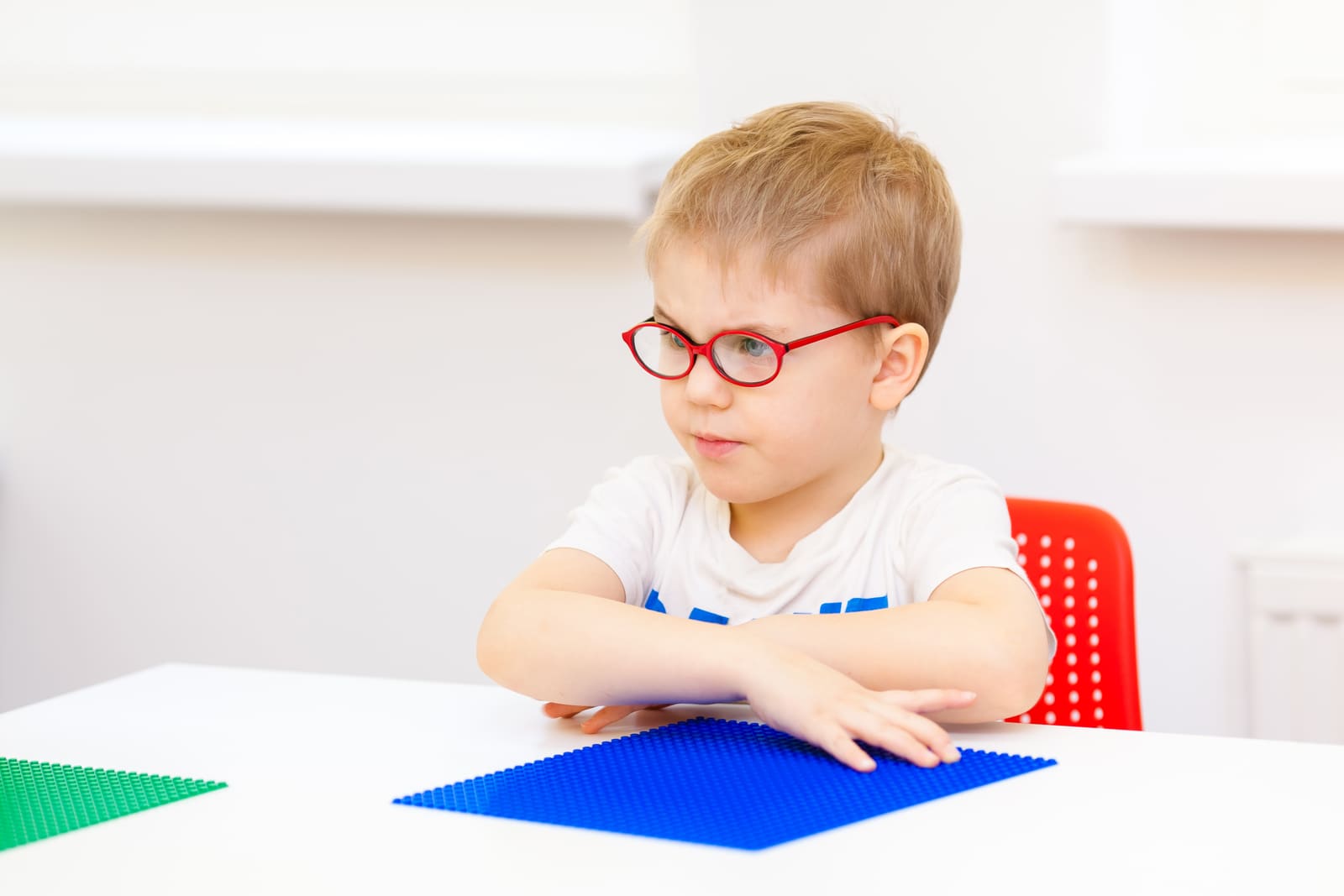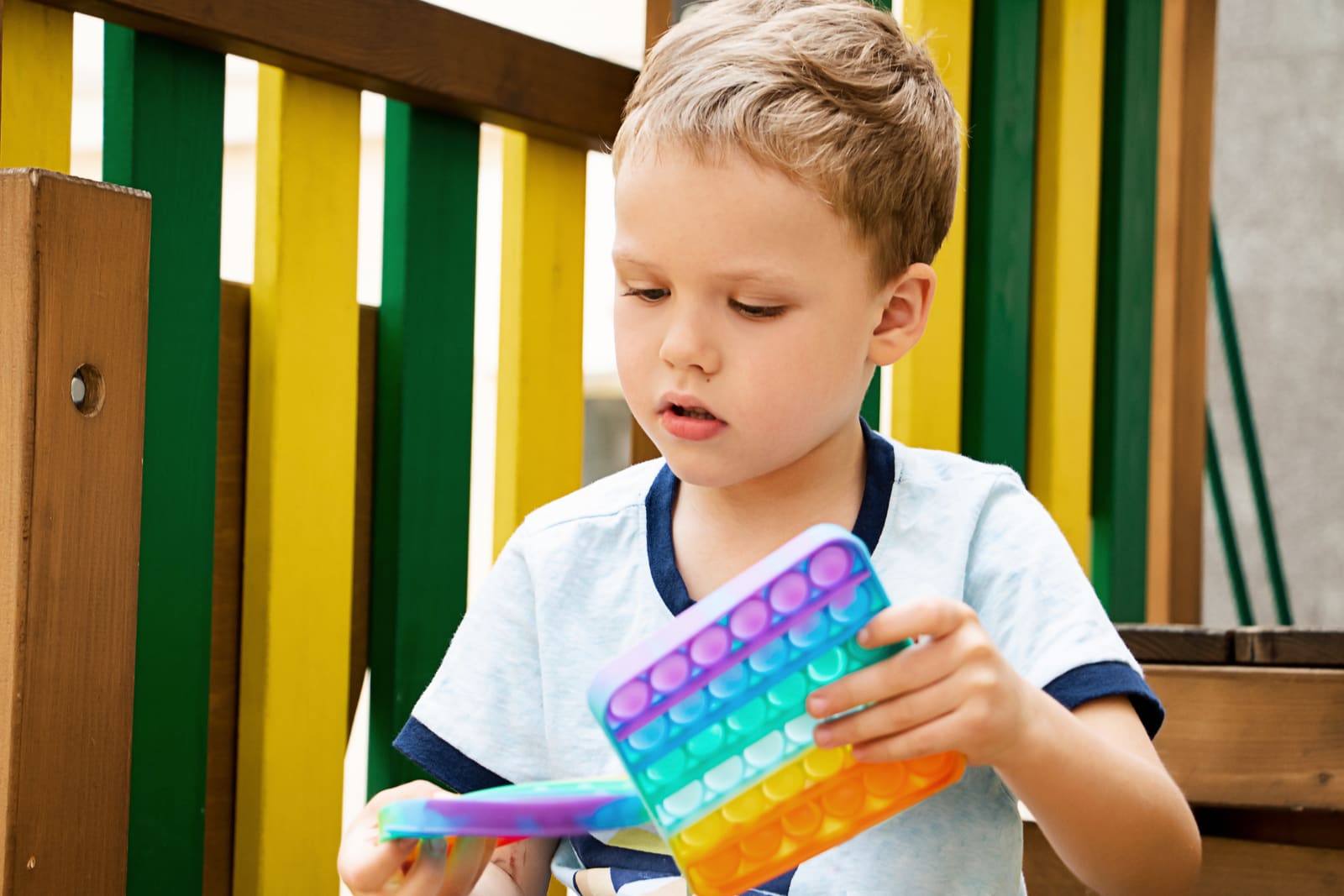
Choosing the right toys can play a meaningful role in supporting growth, learning, and confidence at home. For parents raising Children with Autism, toys are more than simple entertainment—they are tools that can encourage communication, daily living skills, and positive engagement. With guidance from professionals offering ABA autism therapy, families can make informed decisions that align playtime with developmental goals while still keeping it fun and motivating.
This guide is designed to help parents understand what to look for when selecting toys, how to match toys to individual needs, and how thoughtful choices can support progress in everyday routines.
Why Toy Selection Matters for Development
Toys influence how children explore their surroundings, practice new skills, and interact with others. The right toy can encourage focus, problem-solving, and creativity, while an unsuitable one may lead to frustration or disengagement. For Children with Autism, intentional toy selection helps create opportunities for learning through play without overwhelming or confusing them.
Well-chosen toys can also support consistency between home activities and structured programs such as ABA services. When toys reflect familiar learning approaches, children are more likely to stay engaged and feel comfortable during playtime.
Understanding Your Child's Interests and Strengths
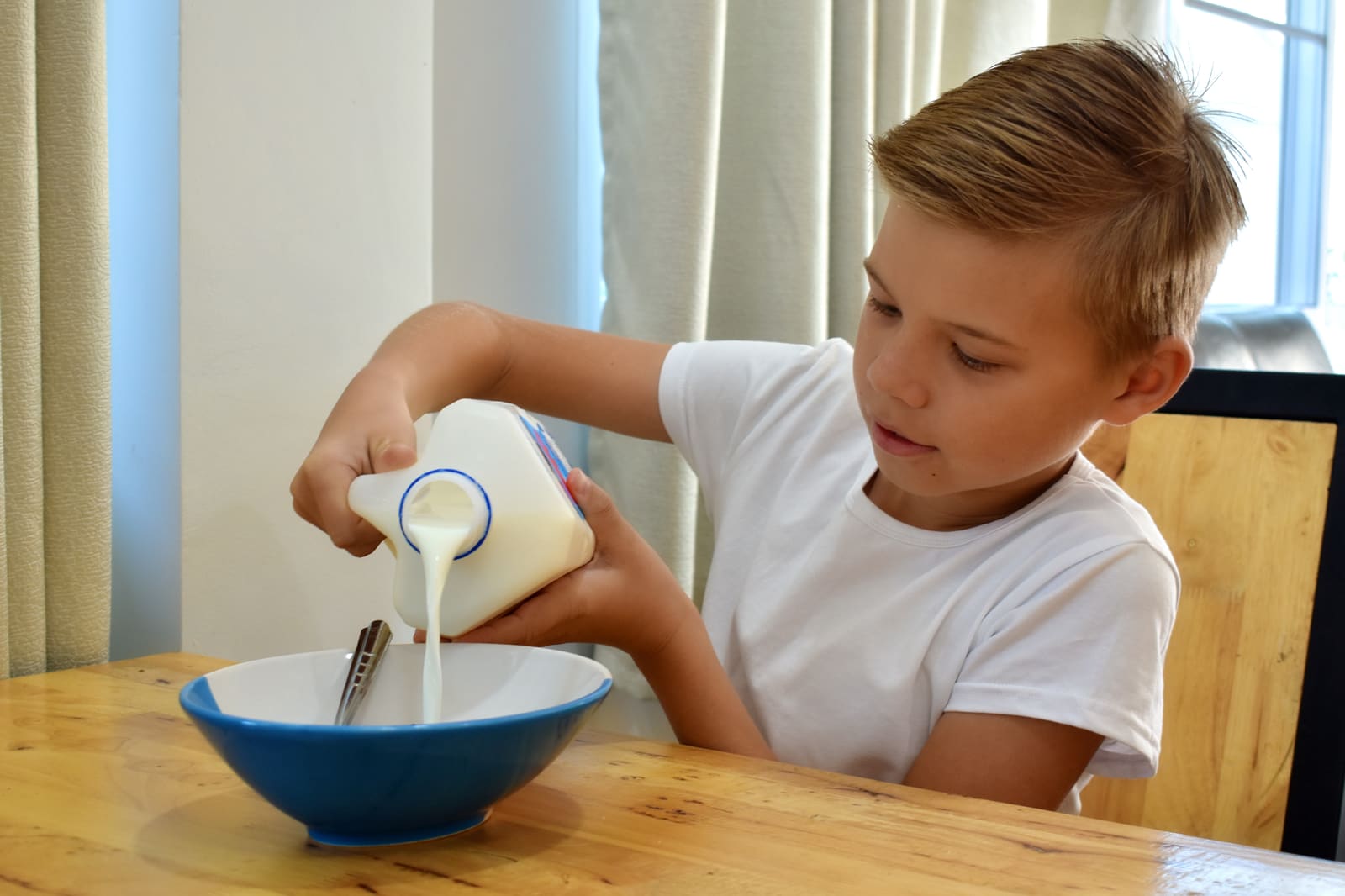
Every child has unique preferences, interests, and abilities. Before purchasing any toy, parents should observe what naturally captures their child's attention. Some children enjoy building and assembling items, while others prefer pretend play, puzzles, or interactive games.
Focusing on strengths rather than challenges allows parents to choose toys that build confidence. When children feel successful during play, they are more motivated to try new activities and practice emerging skills in a positive way.
Choosing Toys That Encourage Communication
Toys can create natural opportunities for communication by encouraging turn-taking, imitation, and shared attention. Simple board games, role-play sets, and interactive books invite children to express choices, respond to prompts, or participate with others.
Parents can enhance the value of these toys by engaging alongside their child—asking questions, modeling words or gestures, and celebrating attempts to interact. These shared moments help reinforce communication skills in a relaxed, playful environment.
Supporting Fine and Gross Motor Skills Through Play
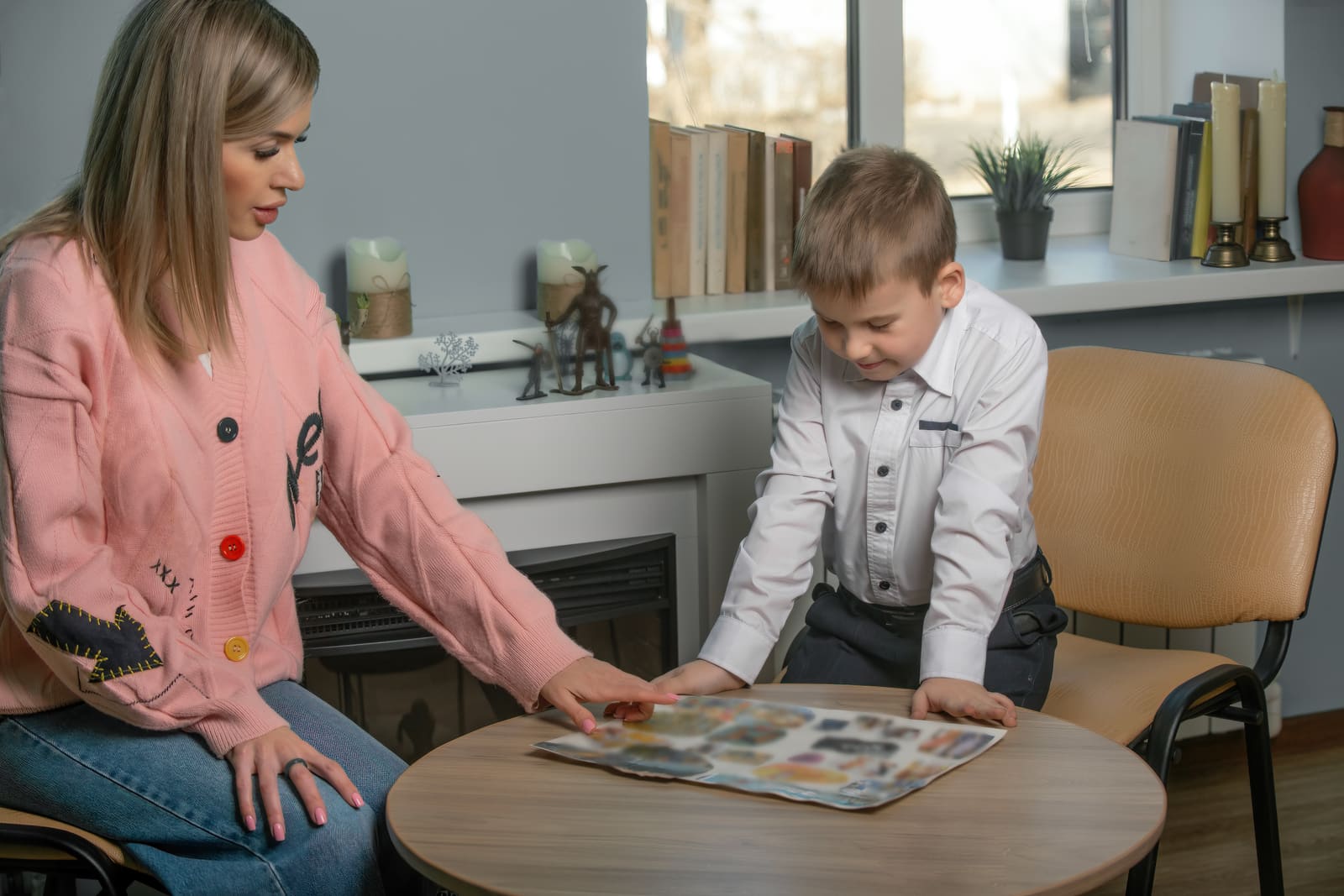
Many toys help strengthen hand-eye coordination, balance, and movement. Building blocks, shape sorters, and stacking toys promote fine motor development, while ride-on toys or simple sports equipment encourage larger body movements.
Selecting toys that match your child's current abilities is important. Toys that are too complex may cause frustration, while those that are too simple may not hold interest. Gradually increasing difficulty supports steady progress and confidence.
Encouraging Problem-Solving and Thinking Skills
Puzzles, matching games, and cause-and-effect toys help children practice thinking through challenges and understanding outcomes. These types of toys encourage patience, focus, and flexible thinking.
Parents can support learning by offering gentle guidance rather than immediate solutions. Allowing time for exploration helps children develop independence and persistence during play.
Considering Structure and Predictability in Toys

Many children thrive when activities have clear beginnings, steps, and endings. Toys with defined rules or sequences—such as simple games, construction kits, or sorting activities—can provide a sense of order and clarity.
Structured toys can also mirror strategies used in professional settings, reinforcing learning patterns at home. This consistency supports smoother transitions between play and daily routines.
Safety and Durability Are Essential
Safety should always be a top priority when choosing toys. Look for age-appropriate items made from durable, non-toxic materials. Avoid toys with small parts if your child tends to mouth objects or play roughly.
Durable toys are especially important because frequent use is common. Toys that can withstand repeated play without breaking ensure long-term value and reduce frustration caused by damaged items.
Age-Appropriate vs. Developmentally Appropriate Toys
While age guidelines provide a helpful starting point, developmental level is often a better measure. A toy designed for younger children may still be highly beneficial if it supports current skills and interests.
Parents should feel comfortable choosing toys that meet their child where they are developmentally, even if the age label does not match. The goal is meaningful engagement, not meeting arbitrary age expectations.
Rotating Toys to Maintain Interest
Having too many toys available at once can feel overwhelming and reduce focus. Rotating toys—keeping some accessible while storing others—helps maintain novelty and interest.
This approach also allows parents to reintroduce toys later, making them feel new again and encouraging renewed engagement without constant new purchases.
How Parents Can Actively Participate in Play
The most effective toy is often a parent's involvement. Sitting together, modeling play, and responding positively to attempts at interaction turns toys into powerful learning tools.
Active participation also strengthens emotional connections and helps parents better understand how their child learns and responds during play.
Aligning Toy Choices With Therapy Goals
When parents understand the goals their child is working on, they can choose toys that naturally support those objectives. Professionals providing ABA autism therapy often recommend play-based strategies that reinforce skills such as communication, cooperation, and independence.
By selecting toys that align with these goals, families create continuity between structured learning and home play, making progress feel more natural and consistent.
Budget-Friendly Toy Selection Tips
Effective toys do not need to be expensive. Many everyday household items—such as containers, boxes, or simple art supplies—can be used creatively during play.
Libraries, toy swaps, and second-hand stores are also excellent resources for affordable options. What matters most is how the toy is used, not its price.
Signs a Toy Is a Good Fit
A suitable toy often holds your child's attention, encourages repeated use, and supports positive behavior during play. If your child returns to a toy frequently and shows enjoyment or curiosity, it is likely meeting their needs.
Parents should also watch for toys that encourage interaction rather than isolation, helping children practice skills in a supportive environment.
When to Reevaluate Toy Choices
As children grow and develop, their interests and abilities change. A toy that was once engaging may no longer be useful, while new challenges may become appropriate.
Regularly reassessing toy choices ensures that playtime continues to support development and remains enjoyable rather than frustrating.
Common Mistakes to Avoid
One common mistake is choosing toys based solely on trends or recommendations without considering individual preferences. Another is overwhelming children with too many options at once.
Staying focused on your child's unique needs and gradually introducing new toys helps create a positive and productive play environment.
Conclusion
Selecting appropriate toys is a thoughtful process that goes beyond entertainment. For Children with Autism, the right toys can encourage learning, confidence, and meaningful connection when chosen with care and intention. By understanding interests, focusing on developmental needs, and actively participating in play, parents can turn everyday moments into valuable opportunities for growth.
At Improve ABA, we believe that meaningful progress begins with genuine partnership. Families invite us into their lives during moments that can feel overwhelming—navigating challenging behaviors, communication barriers, feeding concerns, social struggles, and the uncertainty that comes with supporting a child or adult with autism. We honor that trust by showing up with compassion, clarity, and deep respect for each person's lived experience.
FAQs
How do parents know which toys are suitable for their child?
Parents should start by observing what captures their child's interest during daily activities. Toys that encourage engagement, repetition, and enjoyment are often a good fit. It is also helpful to choose toys that match current skill levels while gently encouraging new learning opportunities.
Are educational toys always better than simple toys?
Not necessarily. Simple toys can be just as effective when used intentionally. What matters most is how the toy supports interaction, learning, and enjoyment rather than how complex or labeled it is. Everyday toys can become powerful tools when parents actively participate in play.
How can toys support communication skills at home?
Toys that promote turn-taking, pretend play, or shared activities naturally encourage communication. Parents can model words, offer choices, and respond positively to attempts at interaction, making playtime a meaningful learning experience.
Should parents follow age recommendations on toy packaging?
Age recommendations are helpful guidelines, but developmental readiness is more important. Some toys designed for younger age groups may still be beneficial if they align with a child's current abilities and interests. Engagement and comfort should guide the decision.
How often should toys be changed or updated?
There is no fixed schedule, but parents should reassess toy choices as interests and skills evolve. Rotating toys every few weeks can help maintain interest and reduce overwhelm while making playtime feel fresh and engaging.
Can toys support skills taught in professional programs?
Yes. Toys can reinforce goals introduced through ABA autism therapy by providing practice opportunities in a relaxed home environment. Consistency between structured learning and play helps children apply skills more naturally in daily life.
What safety factors should parents consider when buying toys?
Parents should look for durable, non-toxic materials and avoid small parts if there is a risk of mouthing objects. Choosing well-made toys that can withstand frequent use helps ensure safe and frustration-free play.
Are expensive toys more effective than budget-friendly ones?
Cost does not determine effectiveness. Many affordable toys—or even household items—can support learning and engagement. Creativity and parent involvement often matter more than price when it comes to successful play experiences.
How can parents encourage independent play using toys?
Start with toys that have clear steps or outcomes and gradually reduce assistance as confidence grows. Offering encouragement without immediately stepping in allows children to explore, problem-solve, and build independence during play.
When should parents seek professional guidance about toy choices?
If parents are unsure which toys best support their child's development, consulting professionals who provide ABA services or similar programs can be helpful. Guidance from experienced providers can align toy choices with individualized learning goals.