Communication is one of the most important skills a child develops. It influences how children express needs, connect with others, participate in learning, and navigate everyday routines. For children with autism, communication growth may develop differently, progress at a unique pace, or require additional clinical support. aba therapy for kids with autism is widely used to strengthen communication in structured, measurable ways through individualized programming and clinician-led intervention.
Families seeking ABA in-home therapy New York often look for evidence-based services that support communication goals within familiar environments. In-home services can help clinicians observe communication demands as they naturally occur, allowing therapy goals to remain closely aligned with everyday life. This article explains how ABA supports communication growth, why individualized planning matters, and how family involvement is incorporated through professional guidance without placing therapy delivery responsibilities on caregivers.
Understanding Communication Challenges in Children with Autism
Children with autism may experience a wide range of communication differences. Some children may use limited spoken language, while others may speak fluently but struggle with conversation flow, understanding social cues, or using language effectively across different settings. These patterns do not reflect a lack of intelligence or a lack of interest in connection. They reflect how a child processes information, interprets social interaction, and responds to communication demands.
Communication challenges can affect daily routines, learning opportunities, and relationships with family members and peers. When a child cannot clearly express discomfort, preferences, or requests, frustration may increase. In clinical ABA programs, providers evaluate these barriers and identify meaningful, functional communication goals that reduce frustration and improve participation across environments.
What Makes ABA Therapy Effective for Communication Growth
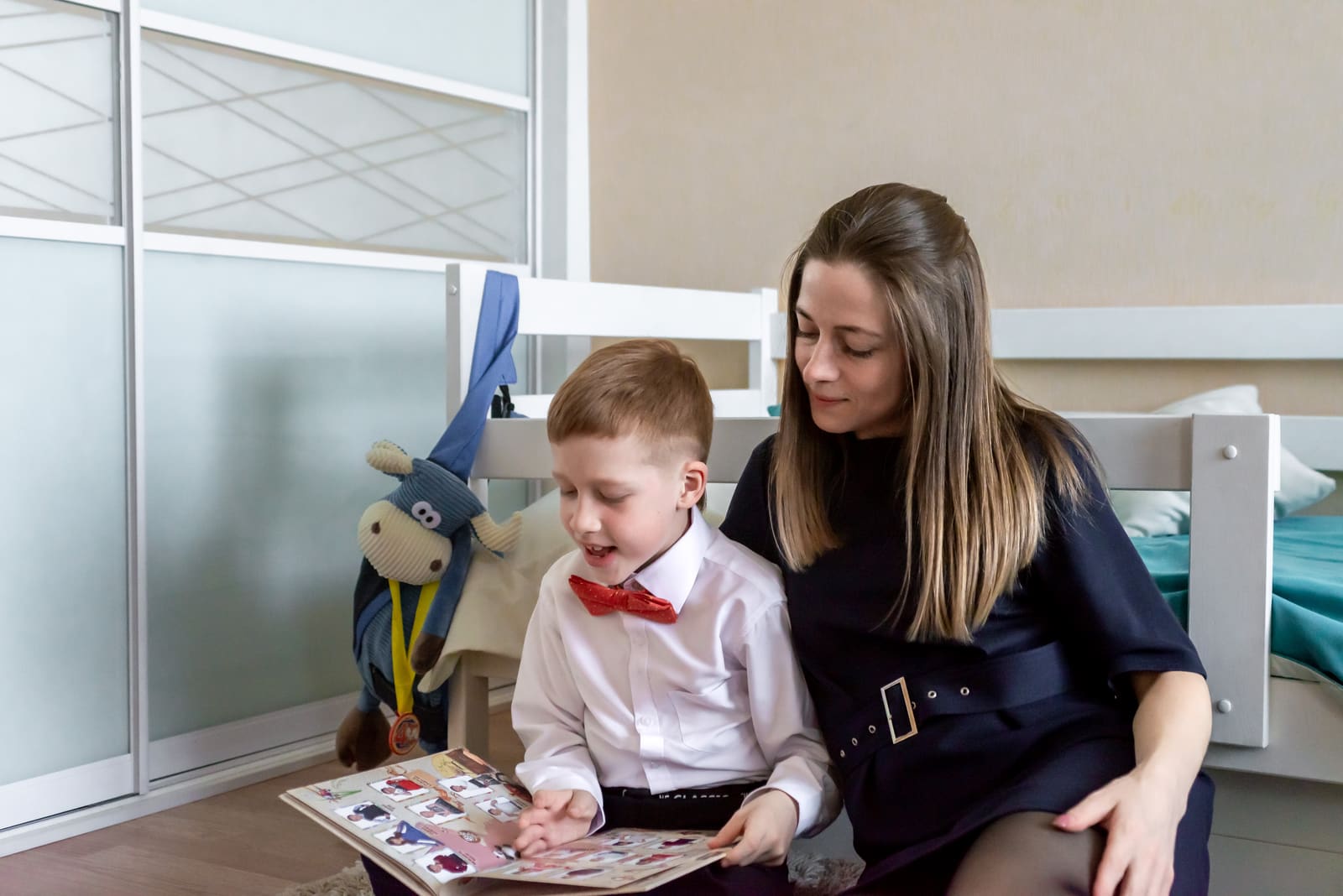
ABA therapy is grounded in behavioral science and uses clinical observation, data collection, and structured intervention to build measurable skills. One key strength of ABA is that communication goals are defined clearly and pursued through individualized plans rather than generalized assumptions.
Clinicians begin by assessing how a child currently communicates—spoken words, gestures, visual supports, or other forms of expression. They identify strengths, determine priority needs, and develop communication goals that fit the child's daily life. Progress is monitored through objective measures so the clinical team can refine strategies over time.
While ABA is often described in broad terms, high-quality communication-focused ABA is highly individualized. Programs are adjusted based on performance, responsiveness, and developmental growth to ensure the approach remains appropriate and effective. This is a central reason families seek aba therapy for kids with autism when communication is a primary concern.
Building Functional Communication Skills in a Clinician-Led Model
Functional communication refers to a child's ability to express needs and wants in ways that can be understood by others. In ABA services, functional communication goals are often prioritized because they directly support daily life. Examples may include requesting help, indicating a preference, responding to simple questions, or communicating discomfort in a clearer way.
In clinician-led ABA programs, providers select interventions based on assessment results and the child's current skill level. Therapeutic strategies are implemented by trained professionals who monitor the child's responses and adjust supports as needed. The goal is to build communication that is meaningful, practical, and sustainable, while ensuring that therapy remains professionally guided.
This structure is especially important for families pursuing in-home services, where clinicians can incorporate real routines and real communication opportunities into individualized treatment planning while maintaining professional oversight.
Encouraging Communication Growth Through Clinical Consistency

Consistency is an important factor in communication development, but within Improve ABA's standards, consistency is achieved through clinician-led planning, professional implementation, and coordinated communication among the care team. ABA providers work to ensure that communication goals are addressed in structured ways across therapy contexts and, when appropriate, across multiple settings such as home, school, or community environments.
Rather than placing implementation responsibility on families, clinicians support communication growth through professional programming and clear clinical direction. Family involvement is incorporated through alignment, understanding, and shared goals—without asking caregivers to administer therapy techniques independently.
This approach keeps communication development stable and cohesive while staying consistent with an ethical, clinician-led care model.
The Role of Reinforcement in Communication Development
Positive reinforcement is a foundational element of ABA services. In clinical practice, reinforcement is selected and applied by professionals based on assessment, observed motivation, and progress data. When a child demonstrates a targeted communication behavior, therapists provide appropriate reinforcement to strengthen that skill over time.
As communication improves, reinforcement strategies are adjusted by the clinical team to support more natural and socially meaningful communication. The goal is to help the child experience communication as effective and rewarding because it increases understanding and connection—not because it is tied to rigid or parent-delivered reward systems.
This professional oversight ensures reinforcement remains individualized, ethical, and responsive to the child's needs.
Supporting Social Communication and Interaction
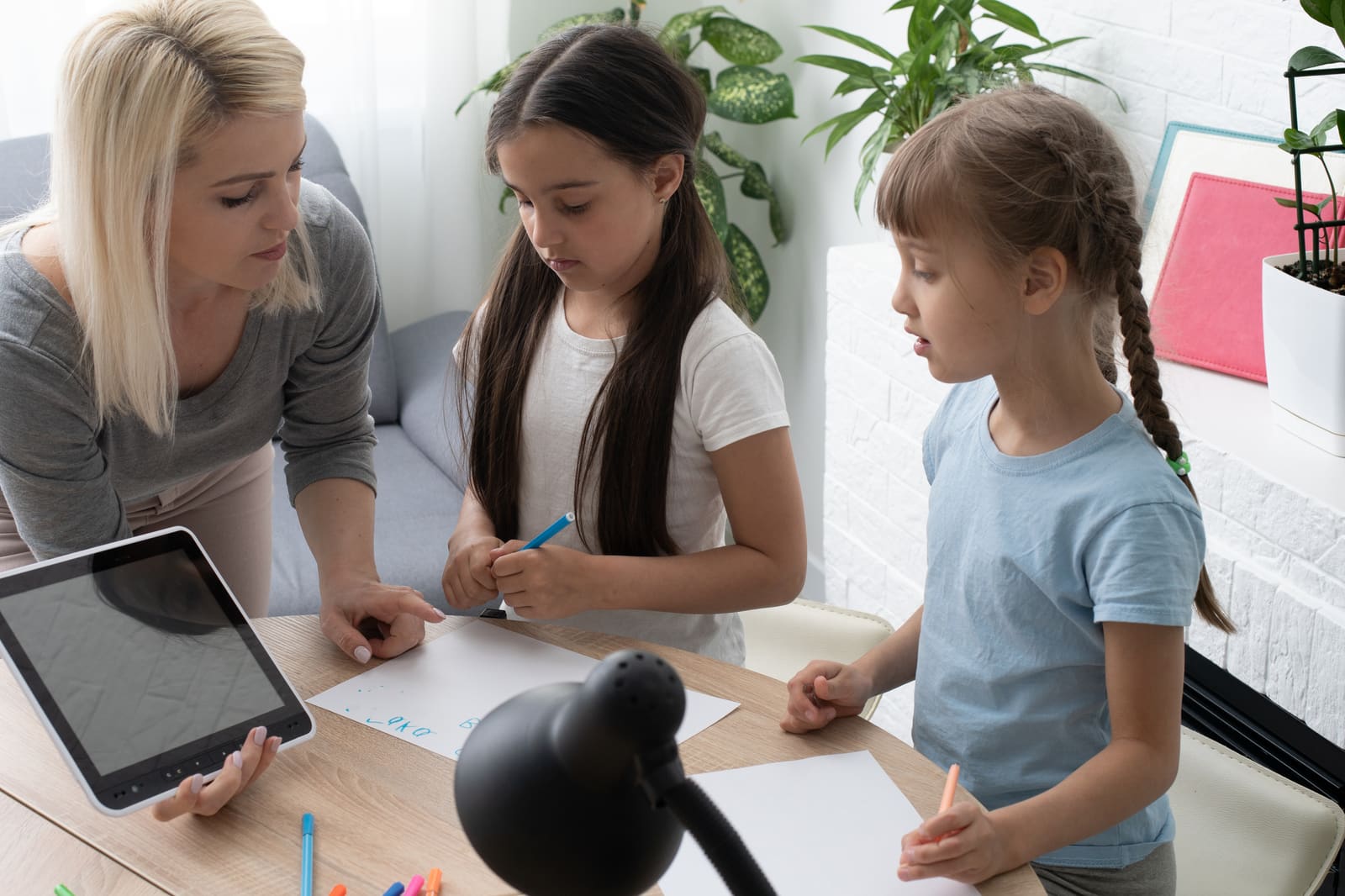
Communication is not only about spoken words. Social communication includes responding to others, initiating interaction, taking turns, and understanding expectations in different settings. ABA programs may address these areas by building skills related to conversational exchange, social responsiveness, and participation in group environments.
Clinicians may incorporate structured practice within therapy sessions based on the child's goals and developmental profile. Strategies are selected to support functional social participation, including the ability to communicate in ways that promote connection and reduce misunderstanding.
As social communication strengthens, children may experience improved comfort and confidence in peer environments, school settings, and everyday interactions.
The Benefits of In-Home ABA Therapy for Communication
In-home services can offer important advantages for children working on communication goals. Learning occurs in a familiar environment where communication needs naturally arise throughout routines and daily life. This setting can support engagement and provide clinicians with valuable insight into real-world communication demands.
Families searching for the best in home aba therapy near me often seek services that are structured, individualized, and clinically guided—without turning the home into a parent-run therapy setting. In a clinician-led model, therapists implement programs, observe how communication challenges appear in real contexts, and align therapeutic goals with the child's everyday needs.
For families pursuing ABA in-home therapy New York, this model can support communication development with practical relevance while maintaining professional responsibility for treatment decisions and clinical methods.
Family Involvement as Clinician-Guided Collaboration
Family involvement is important, but Improve ABA requires it to be framed as collaboration and partnership—not as caregiver execution of therapy procedures. In ethical ABA services, clinicians include families through communication, education, and shared goal alignment. Caregivers are supported in understanding what goals are being targeted and why those goals matter.
Therapists may provide guidance and feedback to help families feel informed, prepared, and supported. However, the responsibility for treatment design, intervention selection, and therapeutic implementation remains clinician-led. This preserves both clinical integrity and ethical healthcare boundaries.
At Improve ABA, family partnership means caregivers are respected participants in the care journey—without being positioned as therapy providers.
Measuring Progress and Adjusting Communication Goals
One defining feature of ABA is ongoing progress monitoring. Communication goals are not static. They are reviewed regularly by clinicians to ensure they remain meaningful and appropriate. Data gathered during therapy sessions helps providers evaluate progress, identify patterns, and make informed clinical adjustments.
As communication abilities develop, goals may evolve to include more advanced language use, stronger conversational participation, improved social responsiveness, or greater independence in functional communication.
This commitment to measurable progress—guided by professional evaluation—is one reason families trust aba therapy for kids with autism when communication support is a priority.
Long-Term Impact of ABA Therapy on Communication
Communication growth can have a long-term impact on a child's quality of life. Stronger communication supports learning, improves relationships, and helps children express emotions and needs more effectively. When children can communicate clearly, daily routines often become easier to navigate, and participation in school and community settings can increase.
Over time, communication development supports greater independence and confidence. Every child's progress will look different, and there is no one timeline that applies to everyone. What matters is the presence of consistent, professional support paired with individualized goals that reflect the child's needs.
For many families, aba therapy for kids with autism provides structured, compassionate services that prioritize meaningful communication outcomes and long-term functional growth.
Conclusion
ABA therapy offers a structured, individualized approach to supporting communication growth in children with autism. Through clinician-led programming, measurable goals, and evidence-based intervention, communication skills can develop in ways that are meaningful and practical for everyday life. In-home services can add value by allowing therapy goals to remain closely connected to real routines and natural communication opportunities, particularly for families seeking ABA in-home therapy New York or the best in home aba therapy near me.
At Improve ABA, we believe that meaningful progress begins with genuine partnership. Families invite us into their lives during moments that can feel overwhelming—navigating challenging behaviors, communication barriers, feeding concerns, social struggles, and the uncertainty that comes with supporting a child or adult with autism. We honor that trust by showing up with compassion, clarity, and deep respect for each person's lived experience.