Helping children manage emotions, handle daily challenges, and respond positively to change is an essential part of healthy development. Many families searching for in-home ABA therapy services near me are looking for clinically guided support that strengthens a child's ability to cope with frustration, transitions, and unexpected situations. Within Applied Behavior Analysis (ABA), coping skills are addressed through individualized, evidence-based programming led by trained professionals and shaped by measurable goals.
Coping strategies are not about avoiding difficult moments. They are skills that help children respond more effectively to stress, emotional discomfort, and change. When these skills are taught through structured, clinician-directed care, children can build emotional regulation, flexibility, and functional communication in ways that translate into everyday life. In that context, ABA Therapy Strategies serve as therapeutic tools—selected through assessment, implemented by clinicians, and refined through progress monitoring.
This article explains how ABA therapy supports coping skill development through professional programming, why personalization matters, and how family involvement fits into an ethical, clinician-led care model without shifting intervention responsibilities onto caregivers.
Understanding Coping Strategies in Child Development
Coping strategies are skills children use to manage emotional responses, navigate stress, and handle problem-solving situations. These skills can include emotional regulation, functional communication, tolerance for change, and the ability to recover after disappointment or frustration. Coping skills support a child's overall development because they shape how a child responds when something feels difficult, unexpected, or overwhelming.
When coping skills are limited, children may demonstrate avoidance, emotional escalation, or difficulty participating in routines and social settings. In ABA services, clinicians evaluate the factors contributing to these responses and identify target skills that can improve emotional regulation and flexibility. The objective is not to suppress emotion, but to build functional responses that support safety, participation, and daily functioning.
A structured therapy model helps translate complex emotional experiences into measurable goals and teachable skill areas. This clinical approach supports consistency, clarity, and progress monitoring—especially important when coping challenges affect multiple settings.
How ABA Therapy Builds Emotional Awareness

Emotional awareness is often a foundation for effective coping. In clinician-led ABA programs, providers may work on helping children identify internal states and recognize emotional cues in ways that match the child's developmental level. This could include recognizing early signs of frustration, understanding changes in body signals, or learning language and concepts that support emotional labeling.
ABA-based programs are individualized, and clinicians select strategies based on what is clinically appropriate for the child. Providers may incorporate structured supports to strengthen emotional identification and improve responsiveness in challenging situations. Over time, this supports a clearer link between experiences, emotional states, and more effective responses.
Rather than leaving children to manage difficult emotions without tools, clinician-directed ABA services provide structured support that helps children develop increased emotional understanding and greater tolerance for everyday challenges.
Teaching Coping Skills Through Structured, Clinician-Led Intervention
One of the defining strengths of ABA Therapy Strategies is that skills are taught through structured, repeatable intervention plans guided by assessment and measurable objectives. Clinicians identify coping-related goals and implement interventions designed to build skills progressively over time.
In ABA services, coping skill development is not treated as a generic set of "calming tips." Instead, it is approached as a clinical skill domain that may include functional communication, emotional regulation, flexibility with change, and appropriate help-seeking behaviors. The clinical team monitors progress through data collection and uses performance trends to adjust strategies.
This approach ensures that coping interventions remain responsive, individualized, and aligned with meaningful outcomes that support daily life. Importantly, the responsibility for intervention selection, implementation, and adjustment remains clinician-led.
Improving Communication as a Coping Tool

Communication and coping are closely connected. When children cannot communicate discomfort, preferences, or needs effectively, frustration can increase. ABA services often prioritize functional communication because it can reduce distress and improve participation during challenging moments.
In clinician-directed ABA programs, communication goals are defined through assessment and may include requesting help, indicating a need for a break, expressing discomfort appropriately, or responding to adults in structured interactions. Providers select communication supports based on the child's developmental profile and functional needs. These supports may involve spoken language development, visual communication tools, or other clinically appropriate systems.
As functional communication improves under professional guidance, children often experience more clarity in interactions, reduced escalation during difficult moments, and stronger engagement in routines and social environments.
Encouraging Flexibility and Adaptability
Flexibility is a core coping skill. Many children experience distress when routines shift, transitions occur, or expectations change unexpectedly. ABA therapy can support flexibility through structured programming that is individualized and implemented by trained professionals.
Clinicians identify which types of change are most challenging and develop treatment goals that address tolerance and adaptive responding. Interventions may be introduced in a way that is clinically appropriate for the child and adjusted based on measured progress.
Through consistent, professional programming, children can strengthen resilience and develop increased comfort with change. Rather than treating flexibility as a personality trait, ABA therapy treats it as a skill domain that can be supported through evidence-based intervention and measurable objectives.
Generalizing Coping Skills Across Environments
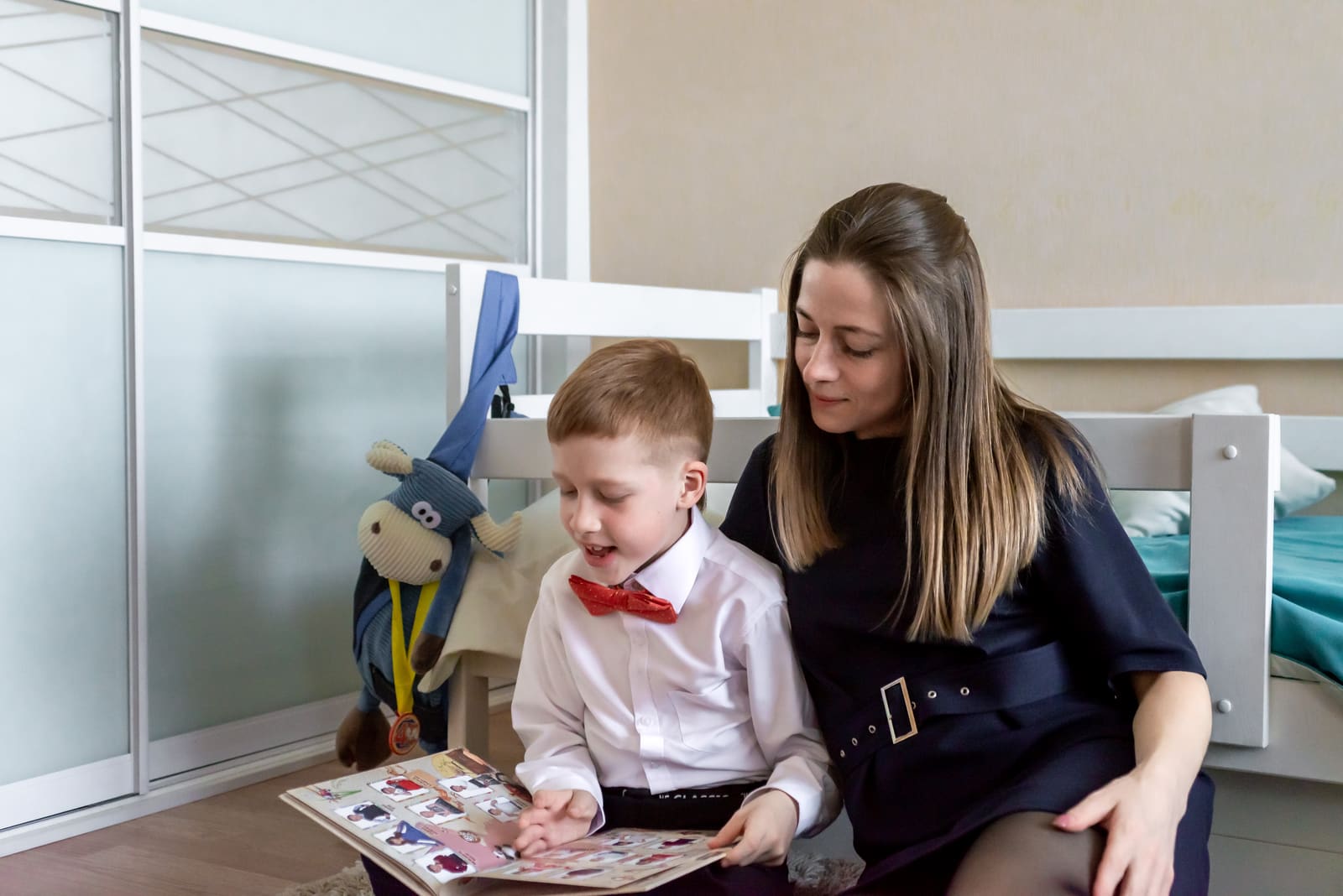
Coping skill development is most meaningful when it supports a child across real-life environments. ABA services emphasize generalization—helping children use skills across settings and with different people. However, within Improve ABA's standards, generalization is guided and evaluated through clinician-led programming and professional oversight.
When services take place in the home, clinicians can incorporate real contexts into structured intervention plans while maintaining clinical responsibility for implementation and progress monitoring. This supports skill relevance while preserving ethical boundaries: the clinical team designs the program, implements interventions, and measures progress.
For families searching for in-home ABA therapy services near me, this clinician-led approach can be especially valuable because it allows therapy goals to align with real routines without shifting therapy delivery responsibilities onto caregivers.
The Role of Family Involvement
Family involvement is important, but it must be positioned as collaboration rather than caregiver-delivered intervention. In Improve ABA's clinician-led model, family involvement includes alignment on goals, communication with the clinical team, and participation in the care process through education and coordinated support.
Clinicians ensure that families understand the purpose of targeted goals and the progress being made. Families may also share insights about routines, challenges, and priorities so treatment planning remains relevant and responsive. This partnership strengthens clarity and continuity while keeping intervention design and delivery under professional direction.
This model respects families as essential partners—without placing them in the role of implementing therapeutic strategies independently.
Why Professional Guidance Matters
Coping skills are complex, and progress is most effective when interventions are individualized, ethical, and data-informed. Working with a trusted ABA therapist in New York helps ensure that coping-related goals are selected based on assessment and supported through structured, evidence-based programming.
Professional teams monitor skill development over time, identify what is working, and adjust interventions according to measurable progress. This protects the child's developmental needs and supports meaningful outcomes without relying on informal or inconsistent approaches.
Professional guidance also helps ensure that coping skill development remains appropriate, respectful, and aligned with each child's strengths and challenges.
Long-Term Benefits of Coping Skill Development
Effective coping skills support emotional well-being across childhood and beyond. Children who strengthen these abilities may demonstrate improved participation in learning environments, smoother transitions during daily routines, and increased comfort in social settings.
Over time, coping skills contribute to independence, self-regulation, and stronger problem-solving abilities. These outcomes are especially important as children encounter more complex academic and social demands. ABA Therapy Strategies contribute to lasting growth by addressing coping as a practical, transferable skill domain guided by measurable goals and professional oversight.
Because every child's development is unique, the focus remains on individualized progress—not universal timelines or guaranteed outcomes.
Conclusion
Helping children develop effective coping strategies is a meaningful investment in their long-term growth. Through individualized assessment, structured intervention, and measurable progress monitoring, ABA therapy supports emotional regulation, flexibility, and functional communication in ways that are clinically grounded and responsive to each child's needs.
For families searching for in-home ABA therapy services near me, clinician-led ABA services can provide structured support within familiar environments—while maintaining ethical boundaries and professional responsibility for treatment decisions. By focusing on real-life relevance, individualized goals, and evidence-based care, ABA Therapy Strategies help children build resilience and confidence as they navigate everyday challenges.
At Improve ABA, we believe that meaningful progress begins with genuine partnership. Families invite us into their lives during moments that can feel overwhelming—navigating challenging behaviors, communication barriers, feeding concerns, social struggles, and the uncertainty that comes with supporting a child or adult with autism. We honor that trust by showing up with compassion, clarity, and deep respect for each person's lived experience.