Daily routines shape how children learn, communicate, and engage with the world around them. When routines are structured, predictable, and thoughtfully supported, families often see smoother transitions and stronger skill development at home. For families seeking professional guidance such as ABA Therapy in New York, applying evidence-based strategies within everyday activities can make a meaningful difference in long-term progress.
Applied behavior principles work best when they are woven into real life rather than limited to formal sessions. Morning wake-ups, mealtimes, play, learning moments, and bedtime all offer valuable opportunities to build independence and confidence. This guide shares practical, family-friendly approaches to strengthening daily routines in a natural and supportive way.
Understanding the Importance of Daily Routines
Daily routines provide structure, clarity, and predictability. When children know what comes next, they are better able to focus, participate, and feel secure. Consistent routines also reduce confusion and help families respond calmly and confidently to everyday challenges.
From a learning perspective, routines create repeated opportunities to practice skills. Whether it is following directions, completing tasks independently, or communicating needs, repetition within familiar activities reinforces positive behaviors and supports steady progress over time.
Start with Clear and Consistent Expectations

One of the foundations of effective routines is clarity. Children benefit when expectations are simple, visible, and consistent across days and caregivers. Clear expectations help eliminate guesswork and encourage cooperation.
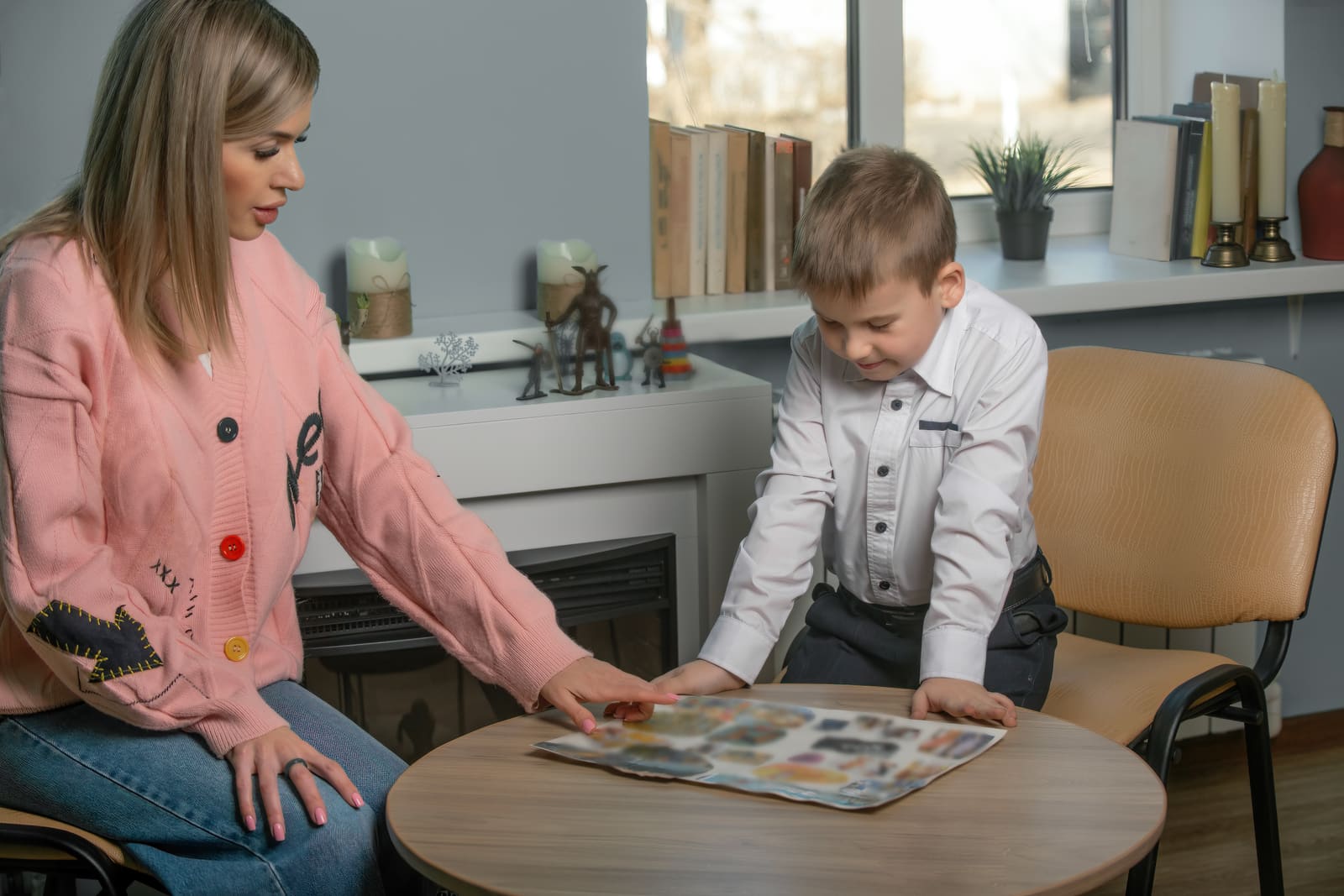
Use short, direct instructions during routine activities such as getting dressed or cleaning up toys. Pair words with visual supports like pictures or checklists when possible. When expectations remain the same each day, children learn what is expected and feel more confident completing tasks on their own.
Break Routines into Manageable Steps
Large tasks can feel overwhelming if presented all at once. Breaking routines into smaller, manageable steps makes them easier to understand and complete successfully.
For example, a morning routine might be divided into waking up, brushing teeth, getting dressed, and packing a bag. Each step can be taught and reinforced individually. Over time, these steps blend into a smooth and independent routine. This approach aligns closely with ABA Therapy Tips that focus on gradual skill-building through achievable steps.
Use Positive Reinforcement Consistently

Positive reinforcement plays a critical role in strengthening daily routines. When children receive encouragement or rewards for completing tasks, they are more likely to repeat those behaviors in the future.
Reinforcement does not need to be elaborate. Verbal praise, high-fives, extra playtime, or access to a favorite activity can all be powerful motivators. The key is consistency—acknowledging effort and success each time a routine is followed helps build confidence and motivation.
Build Routines Around Natural Daily Activities
Learning is most effective when it feels natural. Daily routines such as meals, playtime, and household chores provide built-in opportunities for teaching and practice.
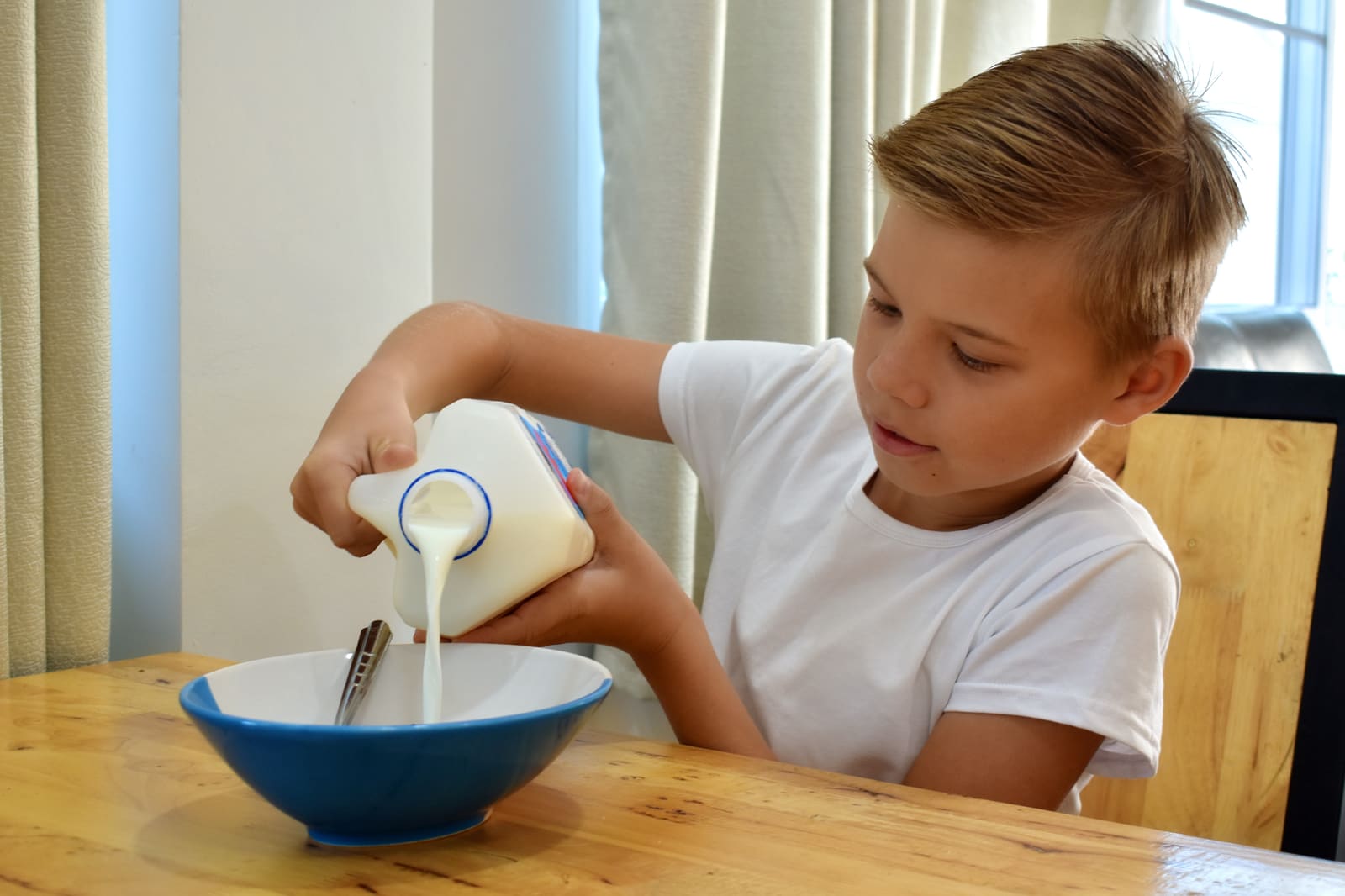
During meals, families can encourage requesting items, using utensils properly, or following simple instructions. Playtime can support turn-taking, problem-solving, and communication. When learning happens within everyday activities, it feels meaningful rather than forced.
Maintain Consistency Across Caregivers and Settings

Consistency across caregivers is essential for routine success. When expectations and responses differ, children may become confused or frustrated.
Families benefit from communicating clearly with everyone involved in daily care. Sharing written routines, schedules, and reinforcement strategies ensures that everyone follows the same approach. This consistency strengthens learning and helps routines carry over across different environments, including situations where families search for home aba therapy near me to support in-home progress.
Prepare for Transitions in Advance
Transitions between activities can be challenging without preparation. Giving advance notice helps children shift from one routine to the next with less stress.
Use countdowns, visual timers, or verbal reminders such as "five more minutes" to signal upcoming changes. Preparing ahead allows children time to adjust mentally, reducing resistance and emotional reactions. Over time, transitions become smoother and more predictable.
Encourage Independence Gradually
Building independence is a central goal of strong daily routines. Rather than completing tasks for a child, caregivers can offer guidance while allowing the child to participate actively.
Start by modeling the task, then provide prompts or reminders as needed. Gradually fade assistance as confidence grows. Celebrating independent efforts reinforces progress and supports long-term skill development through practical ABA Therapy Tips applied at home.
Track Progress and Adjust Routines When Needed
Routines should evolve as skills develop. Regularly observing progress helps families identify what is working and what may need adjustment.
Keep simple notes or checklists to track successes and challenges. If a routine becomes too easy or too difficult, adjust steps, expectations, or reinforcement strategies. Flexibility ensures routines remain supportive and effective over time.
Collaborate with Professionals for Ongoing Support
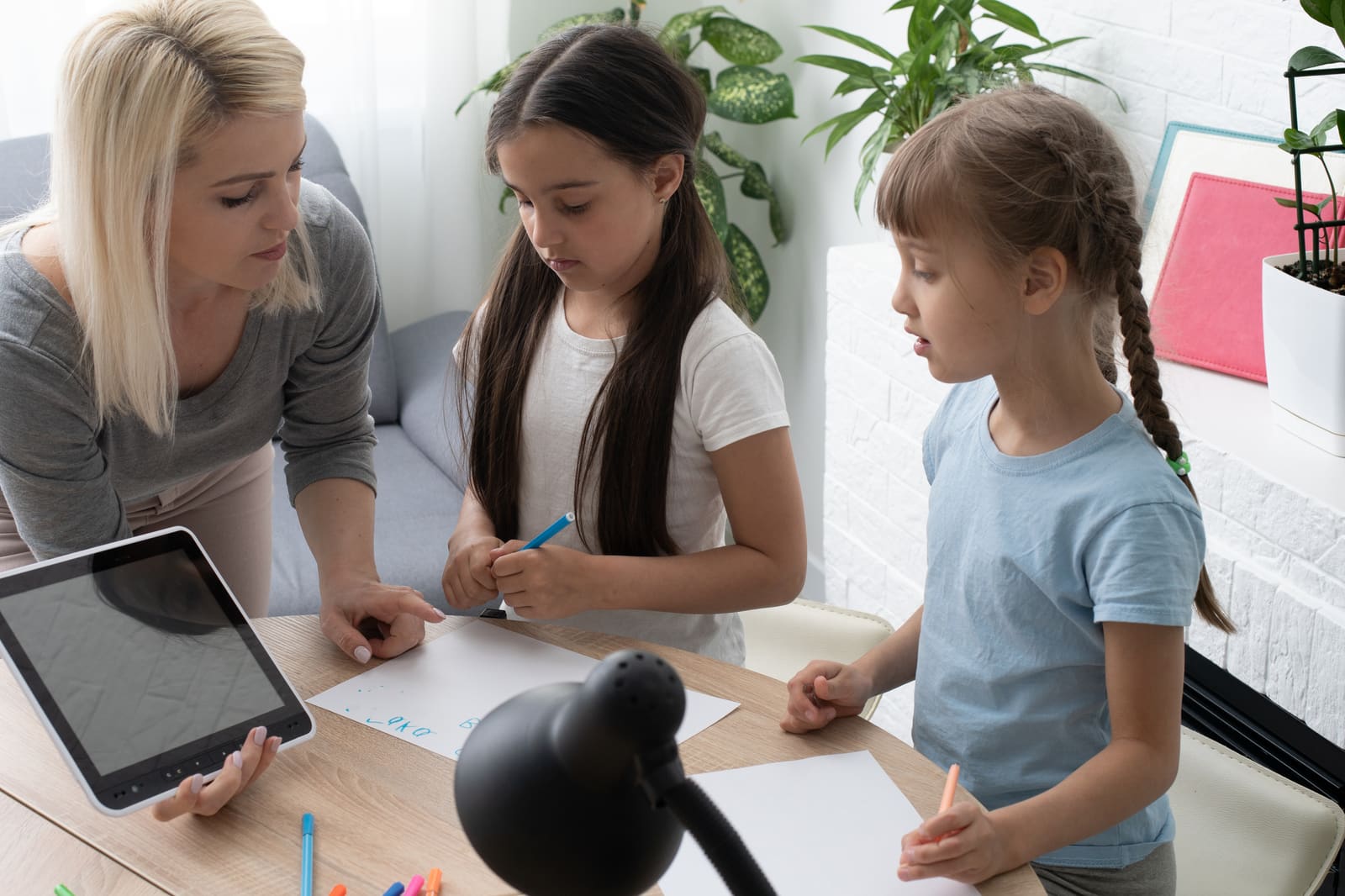
Professional guidance can strengthen home routines by providing tailored strategies and feedback. Therapists can help families refine routines, address challenges, and celebrate progress.
Open communication between families and professionals ensures that strategies align with daily life. This partnership approach helps translate clinical goals into practical routines that support growth and consistency beyond structured sessions.
Create a Calm and Organized Home Environment
A well-organized environment supports smoother routines. Minimizing clutter and clearly defining activity spaces reduces distractions and helps children focus on tasks.
Simple organization tools such as labeled bins, visual schedules, and designated activity areas can significantly improve routine success. A calm environment reinforces predictability and supports learning throughout the day.
Reinforce Effort, Not Just Results
Progress within daily routines is built on effort. Acknowledging attempts, even when tasks are not completed perfectly, encourages persistence and resilience.
Positive feedback for trying helps children feel supported and motivated. Over time, effort-based encouragement builds confidence and leads to more consistent success across routines using proven ABA Therapy Tips.
Conclusion
Enhancing daily routines at home requires patience, consistency, and thoughtful planning. By setting clear expectations, breaking tasks into manageable steps, reinforcing positive behaviors, and collaborating with professionals, families can create routines that feel supportive rather than stressful. Small, consistent changes lead to meaningful progress and help children build skills that carry into everyday life with confidence and independence.
At Improve ABA, we believe that meaningful progress begins with genuine partnership. Families invite us into their lives during moments that can feel overwhelming—navigating challenging behaviors, communication barriers, feeding concerns, social struggles, and the uncertainty that comes with supporting a child or adult with autism. We honor that trust by showing up with compassion, clarity, and deep respect for each person's lived experience.