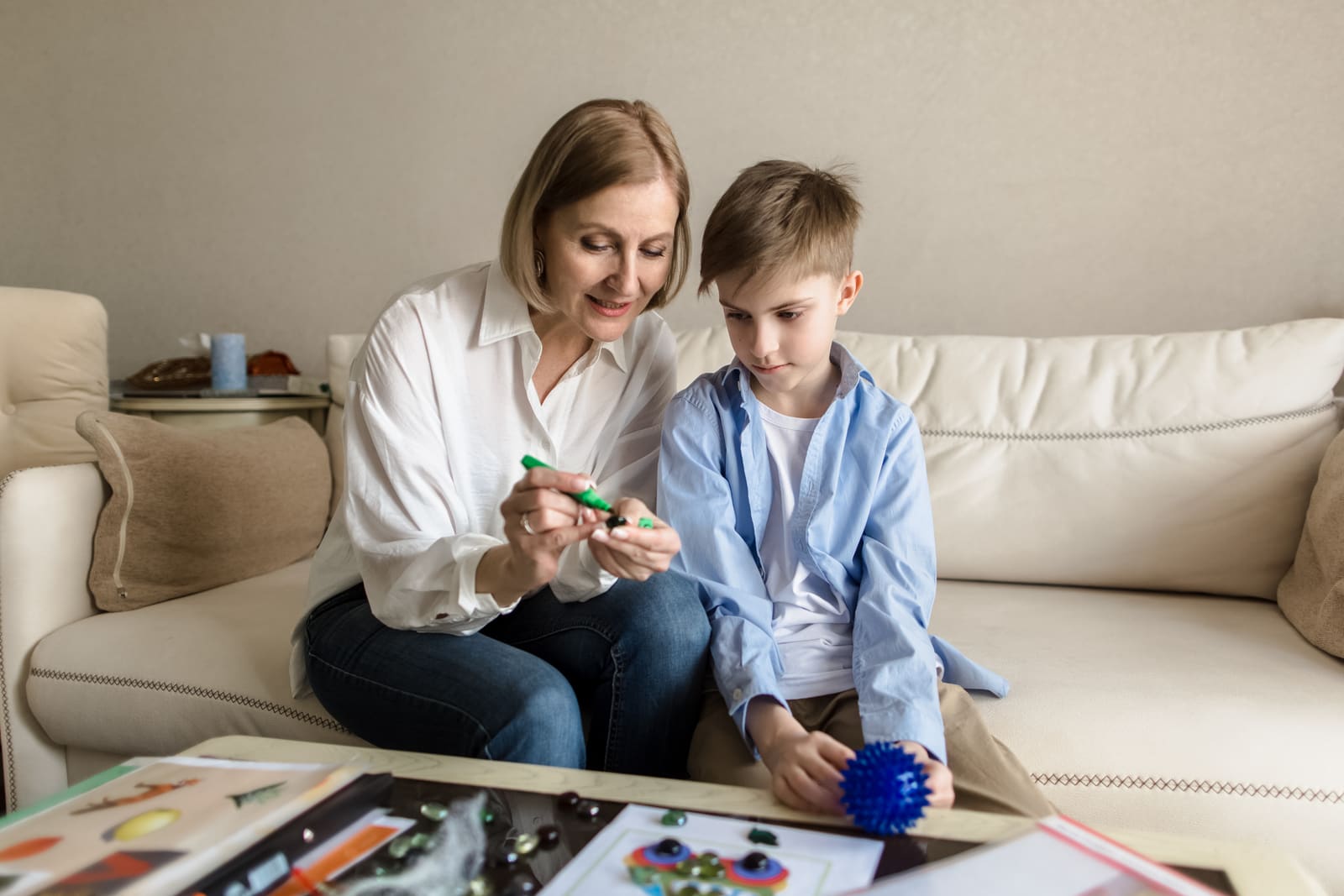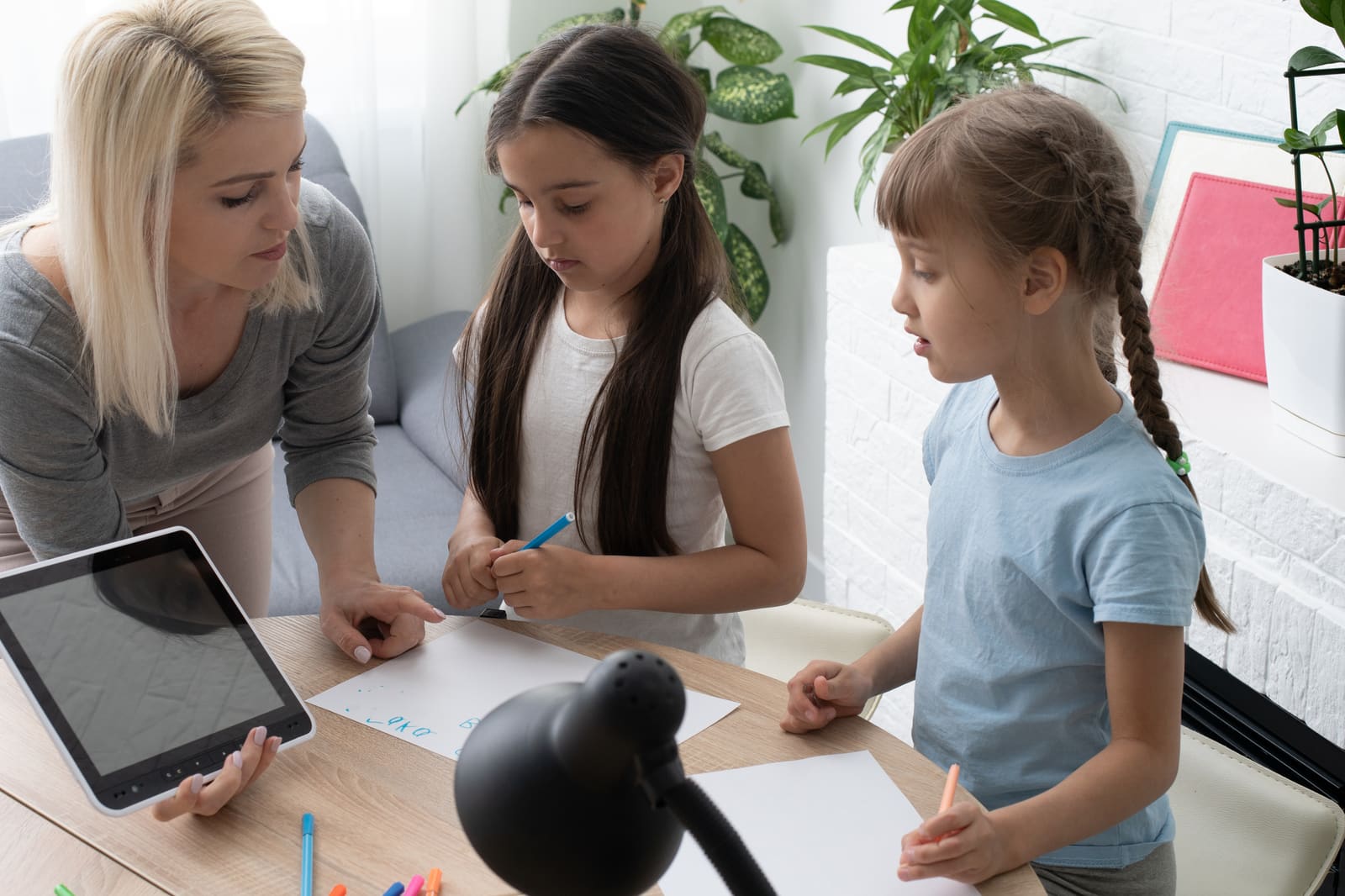
Supporting a child receiving ABA Therapy can feel overwhelming at first, but with guidance and practical strategies, parents can play a pivotal role in their child's growth and development. Engaging in home based ABA therapy New York allows families to integrate therapeutic techniques into daily routines, enhancing learning and positive outcomes. By understanding the therapy's principles and actively participating, parents can provide consistent support that complements professional sessions.
Establish Clear Goals and Expectations
One of the first steps in supporting your child during ABA Therapy is to establish clear, achievable goals. Collaborate with your child's therapist to understand the objectives of each session. Knowing what skills or behaviors are being targeted allows parents to reinforce these lessons at home.
Consistency is key. Maintain realistic expectations and celebrate small victories, as every step forward is meaningful progress. Having measurable goals helps in tracking development and identifying areas that need additional focus.
Create a Structured Home Environment
Children thrive in predictable environments, and this principle extends to supporting ABA Therapy at home. Designate spaces for learning and play where routines can be followed. Visual schedules, checklists, and clear instructions help children understand what is expected.
A structured environment reduces frustration and encourages participation in activities. Simple adjustments like consistent meal times, quiet spaces for learning, and minimizing distractions can significantly enhance the benefits of therapy.
Learn and Apply ABA Techniques at Home
Parents play a critical role in reinforcing skills taught during ABA Therapy. Learning basic techniques from your child's therapist allows you to practice interventions consistently.
Positive reinforcement is a cornerstone of ABA Therapy. Praise, rewards, or token systems can motivate children to engage in desired behaviors. Ensure reinforcement is immediate and specific to the behavior being encouraged.
Additionally, applying techniques during natural routines—like meal times, bath time, or play—helps generalize skills beyond therapy sessions. This approach makes learning more functional and relevant to daily life.
Maintain Open Communication with Therapists

Effective ABA Therapy relies on collaboration between parents and therapists. Regularly share observations, concerns, and questions with the therapy team.
Keeping detailed notes about your child's progress, challenging behaviors, and responses to interventions provides valuable insights. Therapists can adjust strategies based on this information, ensuring the therapy remains effective and tailored to your child's needs.
Frequent communication also empowers parents to feel confident in their ability to support their child, creating a strong partnership with professionals.
Encourage Practice Through Play
Play is a natural way for children to learn and practice new skills. Incorporating ABA techniques into playtime encourages engagement and skill development.
Games, role-playing, and interactive activities can reinforce communication, problem-solving, and social skills. Parents can model behaviors, prompt responses, and provide positive feedback during play.
By turning learning into a fun, enjoyable experience, children are more likely to participate actively and retain skills. Play-based practice also strengthens parent-child bonds, making therapy a shared, positive experience.
Focus on Consistency and Routine
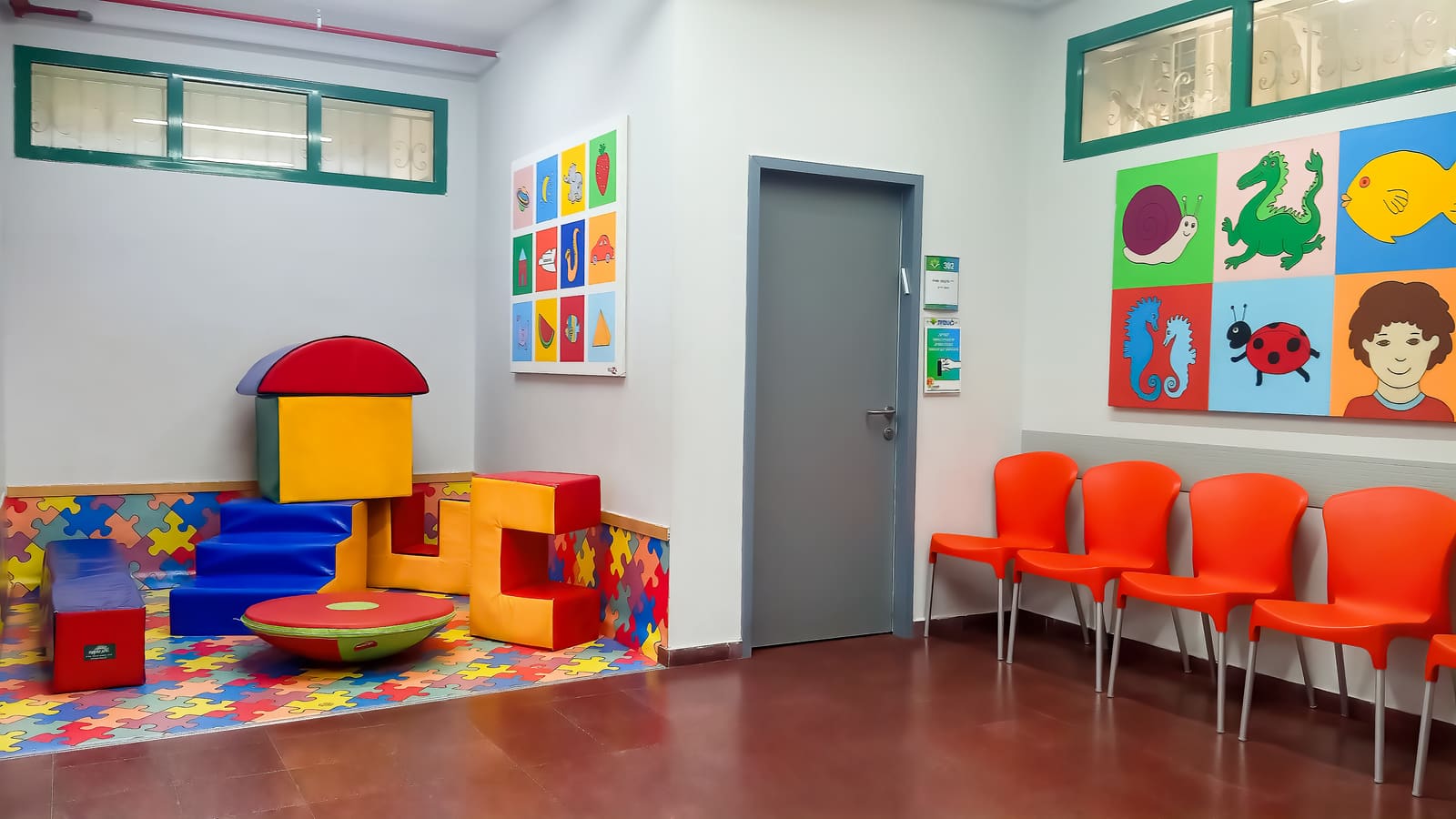
Consistency is one of the most powerful tools in ABA Therapy. Reinforcing routines and expectations at home mirrors the structure of professional sessions, helping children internalize skills more effectively.
Establish daily routines for learning, communication, and self-care. Consistent application of strategies reduces confusion and provides children with a clear understanding of expected behaviors.
Parents who are consistent with reinforcement and practice create a supportive environment that maximizes the therapy's long-term benefits.
Celebrate Small Achievements
ABA Therapy is a journey, and progress may sometimes seem gradual. Celebrating small successes helps maintain motivation for both the child and the family.
Acknowledging improvements—no matter how minor—reinforces positive behaviors and encourages continued effort. Tracking milestones in a journal or visual chart can help parents and children see tangible progress over time.
Celebration also promotes a positive emotional connection to therapy, which increases engagement and willingness to participate in activities.
Be Patient and Flexible
Every child responds differently to ABA Therapy, and progress may vary from day to day. Patience is essential when supporting a child's learning journey.
Flexibility allows parents to adjust strategies, try new techniques, and accommodate their child's mood or energy levels. Recognizing that setbacks are part of the process helps reduce frustration and maintains a supportive environment.
A calm, patient approach fosters trust and encourages children to explore new skills without fear of failure.
Encourage Social Interaction
ABA Therapy often focuses on improving social skills, and parents can support this at home. Arrange safe, structured opportunities for your child to interact with family members, neighbors, or peers.
Practice greetings, turn-taking, sharing, and other social behaviors during everyday interactions. Parents can provide gentle prompts and reinforcement, helping children generalize skills learned during therapy to real-life situations.
Social practice at home enhances confidence, communication, and the ability to navigate relationships outside of therapy sessions.
Take Care of Yourself
Supporting a child in ABA Therapy can be demanding. Parents must prioritize their own well-being to maintain a consistent, positive role in the child's life.
Seeking support from family, friends, or parent support groups can provide valuable advice and emotional relief. Taking time for self-care ensures parents can engage fully and maintain patience, energy, and encouragement throughout the therapy process.
A balanced approach strengthens the entire family dynamic, which directly benefits the child's progress.
Conclusion
Supporting a child in ABA Therapy is a collaborative and ongoing journey. By learning techniques, maintaining structure, encouraging practice, and fostering open communication with therapists, parents can create a home environment that complements professional sessions.
Incorporating benefits of home ABA therapy into daily routines ensures children receive consistent support and opportunities for meaningful growth. With patience, encouragement, and celebration of achievements, parents can empower their children to develop essential skills that enhance independence, communication, and social engagement.
At Improve ABA, we believe that meaningful progress begins with genuine partnership. Families invite us into their lives during moments that can feel overwhelming—navigating challenging behaviors, communication barriers, feeding concerns, social struggles, and the uncertainty that comes with supporting a child or adult with autism. We honor that trust by showing up with compassion, clarity, and deep respect for each person's lived experience.