Problem-solving is a critical life skill that supports independence, confidence, and everyday success for children. Through structured play and thoughtful guidance, children can learn how to think critically, make choices, and adapt to new situations. Families receiving in-home ABA therapy often see strong results when learning is paired with engaging, game-based activities that feel natural and motivating rather than instructional or rigid. Creative approaches allow children to practice essential thinking skills while having fun in a familiar environment.
Applied behavior-based strategies use positive reinforcement, repetition, and real-life scenarios to help children learn how to analyze situations and respond effectively. When these strategies are blended into games, children are more likely to stay engaged and apply what they learn beyond structured sessions. This article explores creative, play-based ideas that therapists and families can use to strengthen problem-solving skills in meaningful and practical ways.
Why Problem-Solving Skills Matter for Kids
Problem-solving helps children learn how to face challenges without frustration or avoidance. These skills influence daily routines such as getting dressed, completing tasks, navigating social situations, and managing unexpected changes. Children who develop strong problem-solving abilities are often more confident when faced with new or unfamiliar experiences.
By learning how to break a challenge into steps, evaluate options, and try different solutions, kids gain tools they can rely on throughout life. Play-based learning provides a safe space to practice these skills repeatedly while receiving encouragement and support.
How Play-Based ABA Approaches Support Learning

Play-based learning allows children to explore concepts in a relaxed and enjoyable way. Games introduce structured opportunities for decision-making while still allowing flexibility and creativity. Instead of simply being told what to do, children learn by experimenting, making choices, and seeing the outcomes of their actions.
Therapists carefully design activities to match a child's developmental level and learning style. As skills improve, challenges are gradually adjusted to encourage growth without causing frustration. This balance helps children stay motivated while building confidence in their abilities.
Core Problem-Solving Skills Developed Through Games
Before exploring specific activities, it's important to understand which skills are being strengthened. Creative games can support:
- Identifying a problem
- Thinking through possible solutions
- Making choices
- Trying new strategies
- Learning from outcomes
- Staying flexible when plans change
Each of these abilities plays a role in helping children manage everyday situations more independently.
Game 1: Puzzle Path Challenges
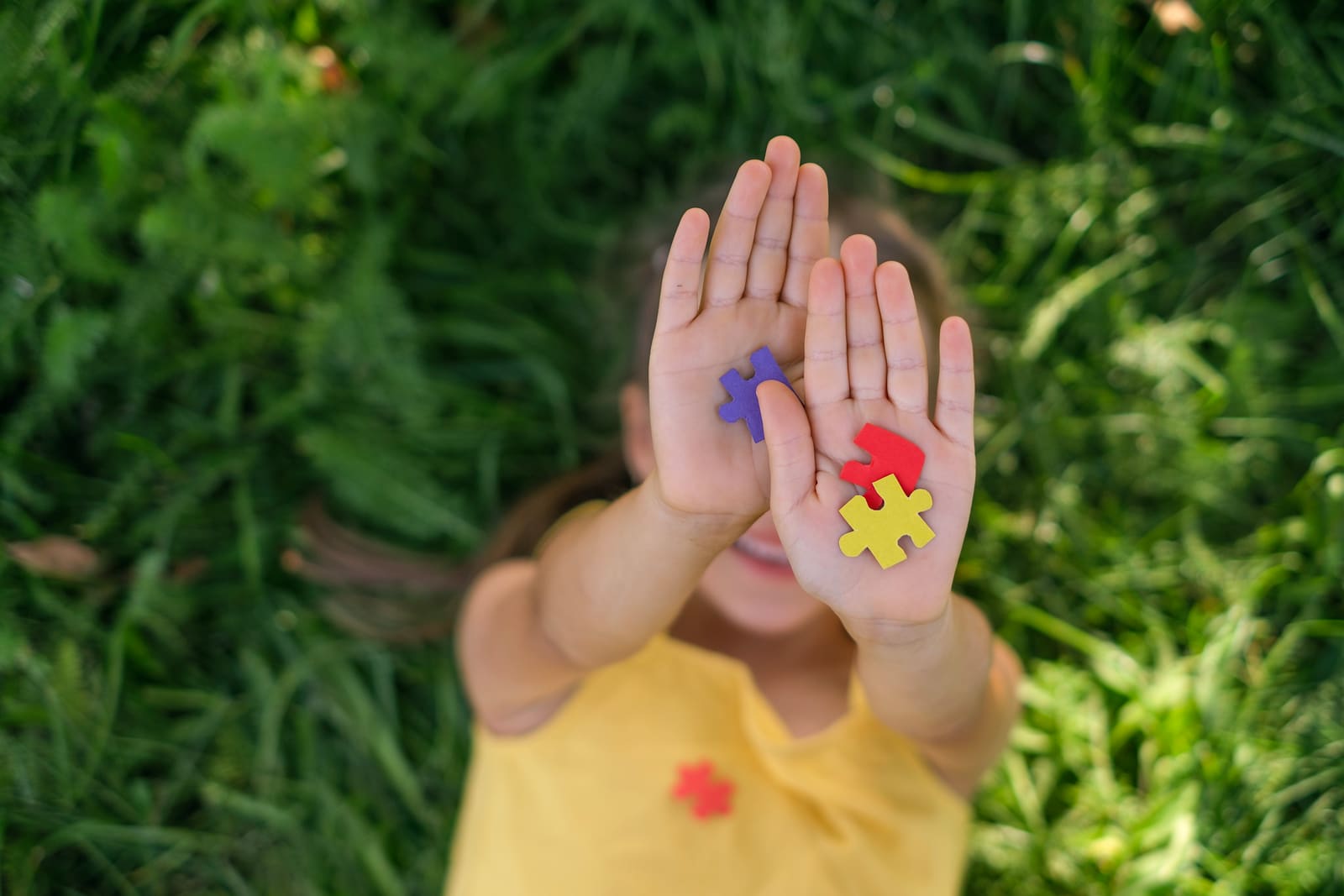
Puzzle-based games are excellent tools for encouraging logical thinking and planning. Create a "puzzle path" by setting up a sequence of puzzles or challenges that must be completed in order. Each completed task unlocks the next step.
Children learn to analyze patterns, recognize mistakes, and adjust their approach. You can increase complexity by adding time limits, missing pieces, or alternative solutions that require flexible thinking.
Game 2: Build-and-Fix Activities
Construction games that involve building structures and then intentionally creating small problems help children practice adaptability. For example, after building a tower, remove a piece and encourage the child to figure out how to stabilize it again.
This type of activity promotes persistence and creative thinking. Children learn that setbacks are part of the process and that trying new approaches can lead to success.
Game 3: Choice-Based Board Games

Board games that require players to make decisions, plan moves, and adjust strategies are powerful tools for learning. Games involving paths, obstacles, or point systems naturally encourage problem-solving.
During play, adults can prompt children to think aloud about their choices. This helps strengthen reasoning skills and improves the child's ability to reflect on their decisions.
Game 4: Real-Life Scenario Role Play
Role-playing everyday situations allows children to practice problem-solving in a controlled setting. Scenarios might include completing a morning routine, organizing a play area, or deciding what to do when plans change.
By acting out these situations, children gain experience evaluating options and choosing appropriate responses. Over time, these learned skills transfer more easily into real-life situations.
Game 5: Mystery Bag Challenges
Place various objects inside a bag and present a challenge that requires using the items to solve a problem. For example, building a bridge for toy figures or organizing objects by size or function.
This activity encourages creativity, planning, and adaptability. Children learn that there may be multiple ways to solve a problem, reinforcing flexible thinking.
Game 6: Pattern and Sorting Games
Sorting games that involve patterns, categories, or sequences help children develop logical reasoning. Increase difficulty by introducing new rules or unexpected changes that require adjustment.
These activities strengthen attention to detail and teach children how to revise strategies when rules shift.
Game 7: Timed Challenge Games
Timed challenges add excitement while encouraging efficient problem-solving. Simple tasks such as organizing items, completing a sequence, or solving a puzzle within a set time help children focus and prioritize steps.
The goal is not speed alone, but learning how to plan and execute actions effectively under gentle pressure.
Using ABA Therapy Games at Home
Consistency is key when using ABA Therapy Games in a home setting. Activities should be practiced regularly but remain enjoyable and pressure-free. Celebrating effort, not just success, reinforces persistence and confidence.
Families are encouraged to collaborate with therapists to select games that align with treatment goals. This partnership ensures that play-based learning supports broader developmental objectives while fitting naturally into daily routines.
Adapting Games as Skills Grow
As children gain confidence, games should evolve to include more complex challenges. This might involve adding extra steps, reducing prompts, or introducing new variables that require flexible thinking.
Gradual progression keeps learning engaging and prevents boredom. It also allows children to experience success at each stage, reinforcing motivation.
The Role of Professional Guidance
While families can implement many activities independently, professional oversight ensures that strategies remain effective and individualized. Providers known for the best ABA therapy in Colorado often integrate creative games into structured plans that reflect each child's strengths and needs.
Therapists monitor progress, adjust activities, and guide families on how to expand learning opportunities beyond sessions. This collaborative approach supports long-term skill development.
Encouraging Independence Through Play
One of the greatest benefits of game-based learning is its impact on independence. As children learn how to think through challenges, they rely less on adult direction and more on their own reasoning abilities.
This independence builds confidence and prepares children for future academic, social, and daily life challenges.
Conclusion
Creative play offers powerful opportunities for children to develop essential problem-solving skills in an engaging and supportive way. By using ABA Therapy Games thoughtfully and consistently, families and professionals can help children build confidence, flexibility, and resilience. These skills extend far beyond playtime, supporting long-term success in everyday life.
At Improve ABA, we believe that meaningful progress begins with genuine partnership. Families invite us into their lives during moments that can feel overwhelming—navigating challenging behaviors, communication barriers, feeding concerns, social struggles, and the uncertainty that comes with supporting a child or adult with autism. We honor that trust by showing up with compassion, clarity, and deep respect for each person's lived experience.
FAQs
What are ABA therapy games, and how do they support problem-solving skills?
ABA therapy games are structured, play-based activities designed to teach thinking, decision-making, and flexibility through guided interaction. These games help children learn how to identify challenges, explore solutions, and adjust their responses in a supportive and engaging way, making problem-solving skills easier to practice and apply in daily life.
Can problem-solving skills really be taught through play?
Yes, play is one of the most effective ways for children to learn. Games naturally encourage exploration, trial and error, and decision-making. When guided appropriately, play-based activities help children understand cause-and-effect relationships and develop confidence in handling challenges independently.
How often should ABA therapy games be practiced at home?
Consistency is more important than duration. Practicing a few targeted games several times a week can be highly effective, especially when integrated into daily routines. Short, positive play sessions help reinforce learning without overwhelming the child.
Are these games suitable for different age groups?
Yes, ABA-based games can be easily adapted to match a child's age, developmental level, and learning style. Activities can range from simple sorting or matching tasks to more complex strategy and planning games as skills grow.
Do parents need special training to use ABA therapy games?
Parents do not need formal training, but guidance from a qualified therapist can be very helpful. Therapists can demonstrate how to prompt, reinforce, and gradually reduce support so children become more independent problem-solvers over time.
How do these games help with real-life situations?
The skills learned through structured play—such as planning, flexibility, and decision-making—transfer directly into everyday activities. Children begin using these strategies during routines, transitions, and unexpected situations, making daily life more manageable and predictable.
What role do therapists play in game-based learning?
Therapists design and adapt games to align with specific learning goals. They monitor progress, adjust difficulty levels, and guide families on how to extend learning beyond sessions. This ensures that play remains purposeful and effective.
Can ABA therapy games be combined with school or other learning programs?
Yes, these games complement academic and home-based learning well. The problem-solving skills developed through play support attention, task completion, and independent thinking, which are valuable across educational and daily environments.