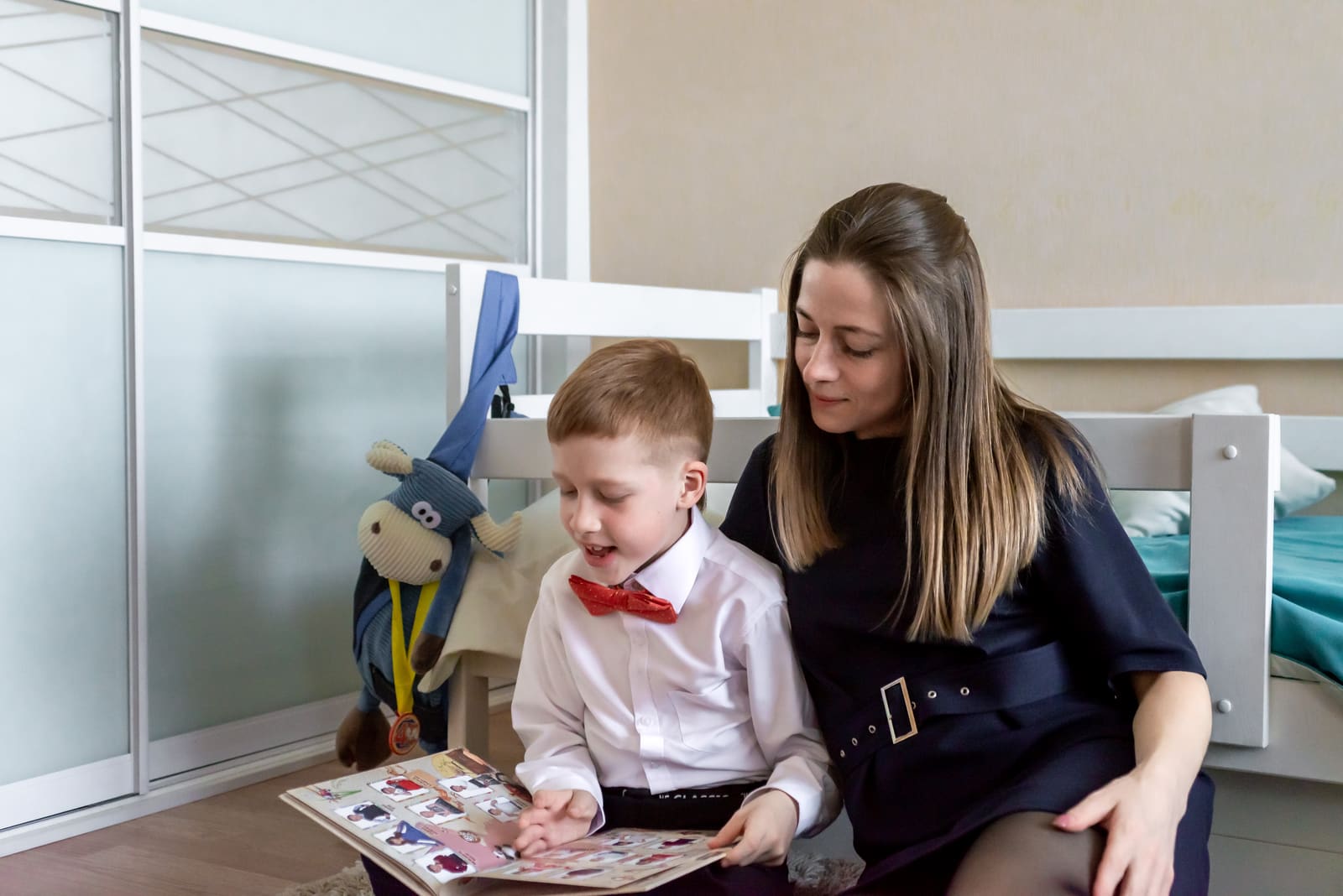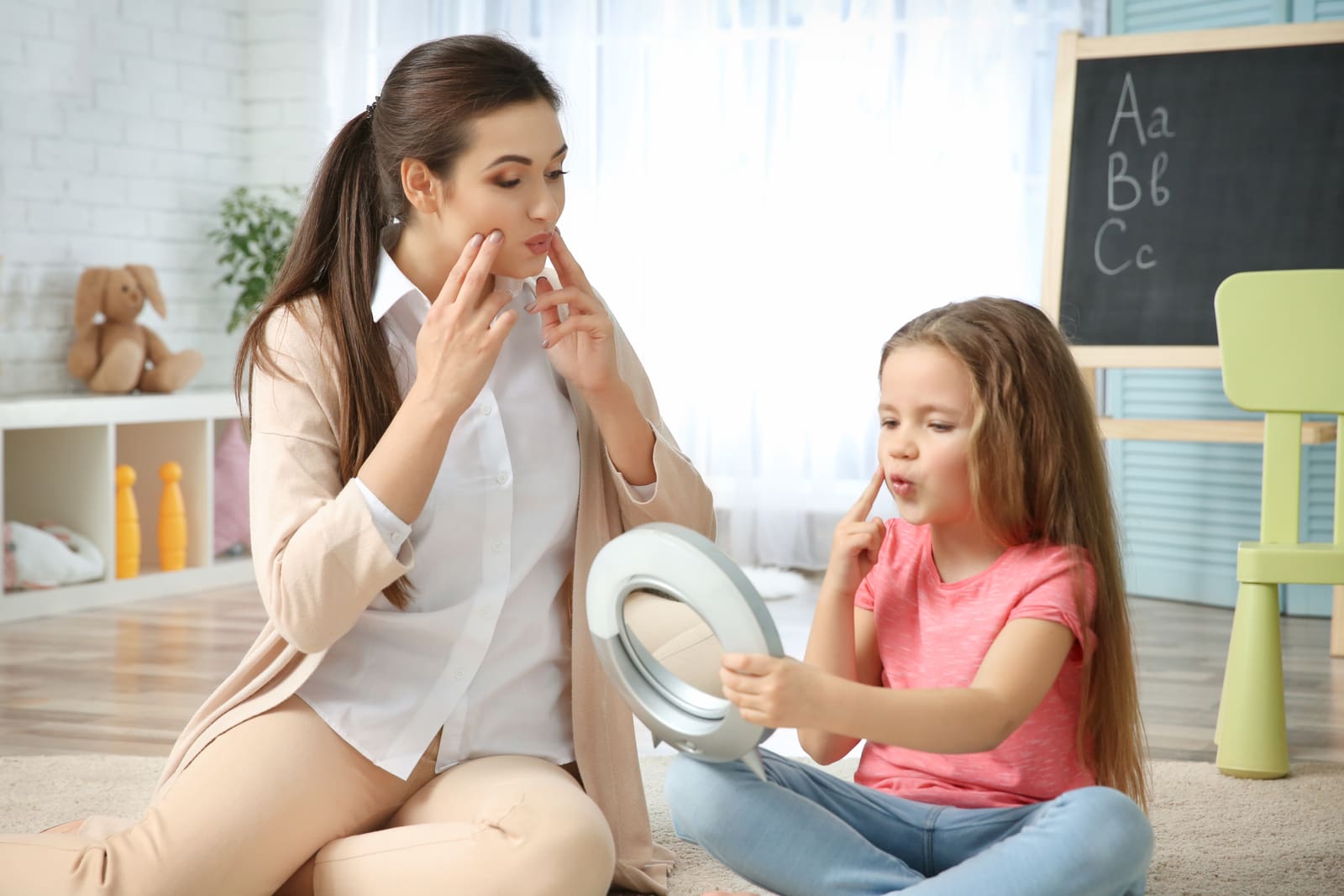
Developing effective communication and social skills is fundamental for children with Autism to succeed academically. Children who struggle to interact with peers or express themselves clearly may face challenges in understanding lessons, participating in classroom activities, and building meaningful relationships with teachers and classmates. By integrating targeted therapies, such as services offered by aba agencies New Jersey or in home aba programs, children can improve their ability to communicate, cooperate, and thrive in academic settings.
The Importance of Communication in Learning
Communication is the foundation of learning. In a classroom environment, children are constantly required to listen, comprehend, and respond appropriately. When communication skills are underdeveloped, even simple instructions may become confusing, leading to frustration and disengagement from academic tasks.
Strong communication skills allow children to ask questions, express their thoughts, and seek help when needed. For children with Autism, structured programs that emphasize language development, verbal expression, and nonverbal cues can significantly improve classroom participation and understanding. This, in turn, helps educators gauge a child's comprehension and adapt instruction to meet individual needs.
How Social Skills Influence Academic Achievement
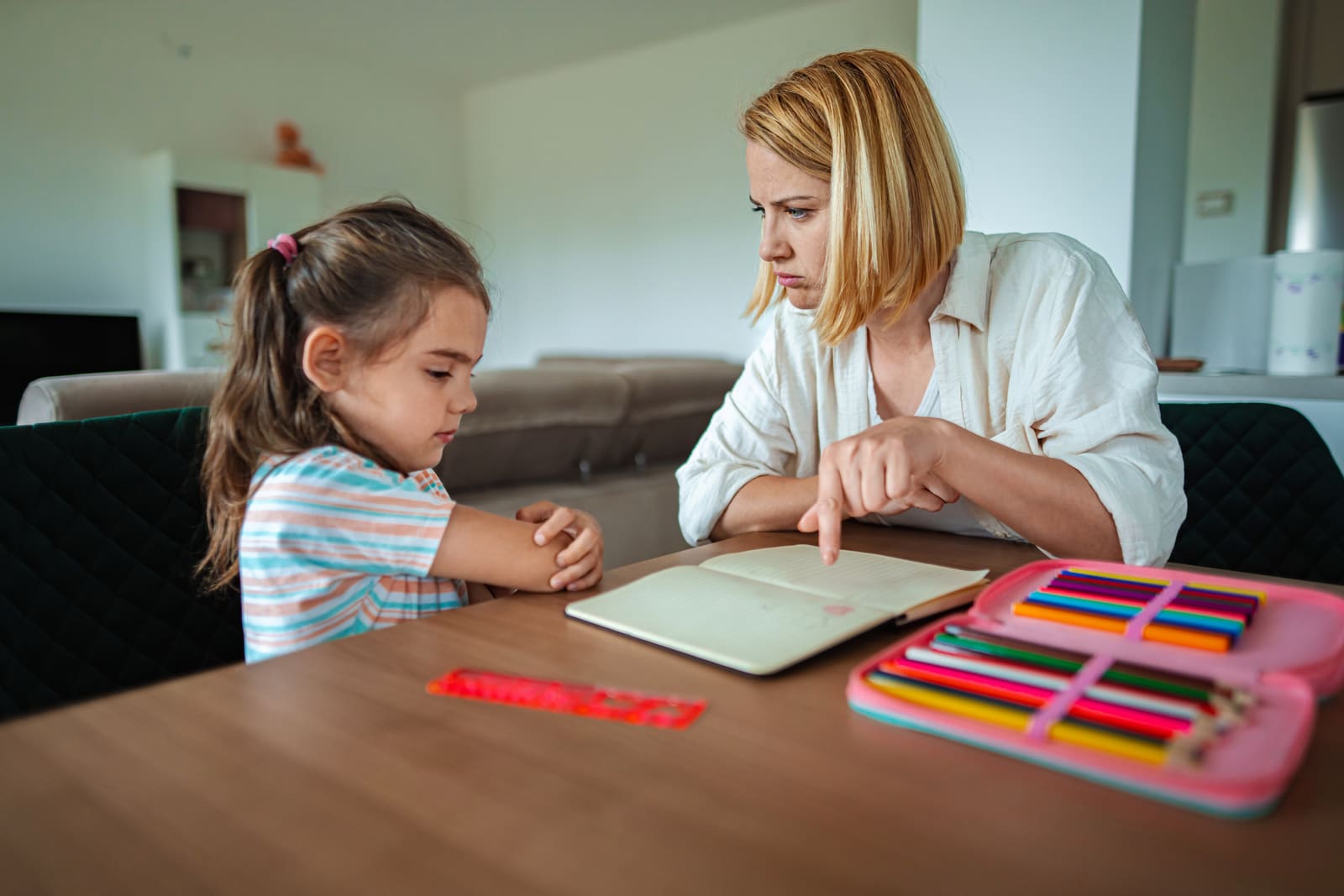
Social skills directly impact how children navigate the classroom and interact with peers and teachers. Skills such as turn-taking, sharing, cooperating in group projects, and understanding social cues can enhance learning opportunities.
Children who demonstrate well-developed social skills are more likely to engage in classroom discussions, collaborate with peers, and seek assistance when facing academic challenges. Conversely, children who struggle socially may feel isolated, miss out on collaborative learning experiences, and experience increased stress or anxiety that interferes with focus and retention of academic material.
The Connection Between Communication, Social Skills, and Cognitive Development
Communication and social skills are closely linked with cognitive development. When children engage socially, they practice problem-solving, critical thinking, and perspective-taking—skills that are essential for academic success.
For instance, a child participating in a group reading activity must understand the story (communication), interpret classmates' opinions (social skills), and contribute appropriately (cognitive skills). Each interaction reinforces learning, encourages new ways of thinking, and builds confidence in academic abilities.
Early Intervention: Why Timing Matters
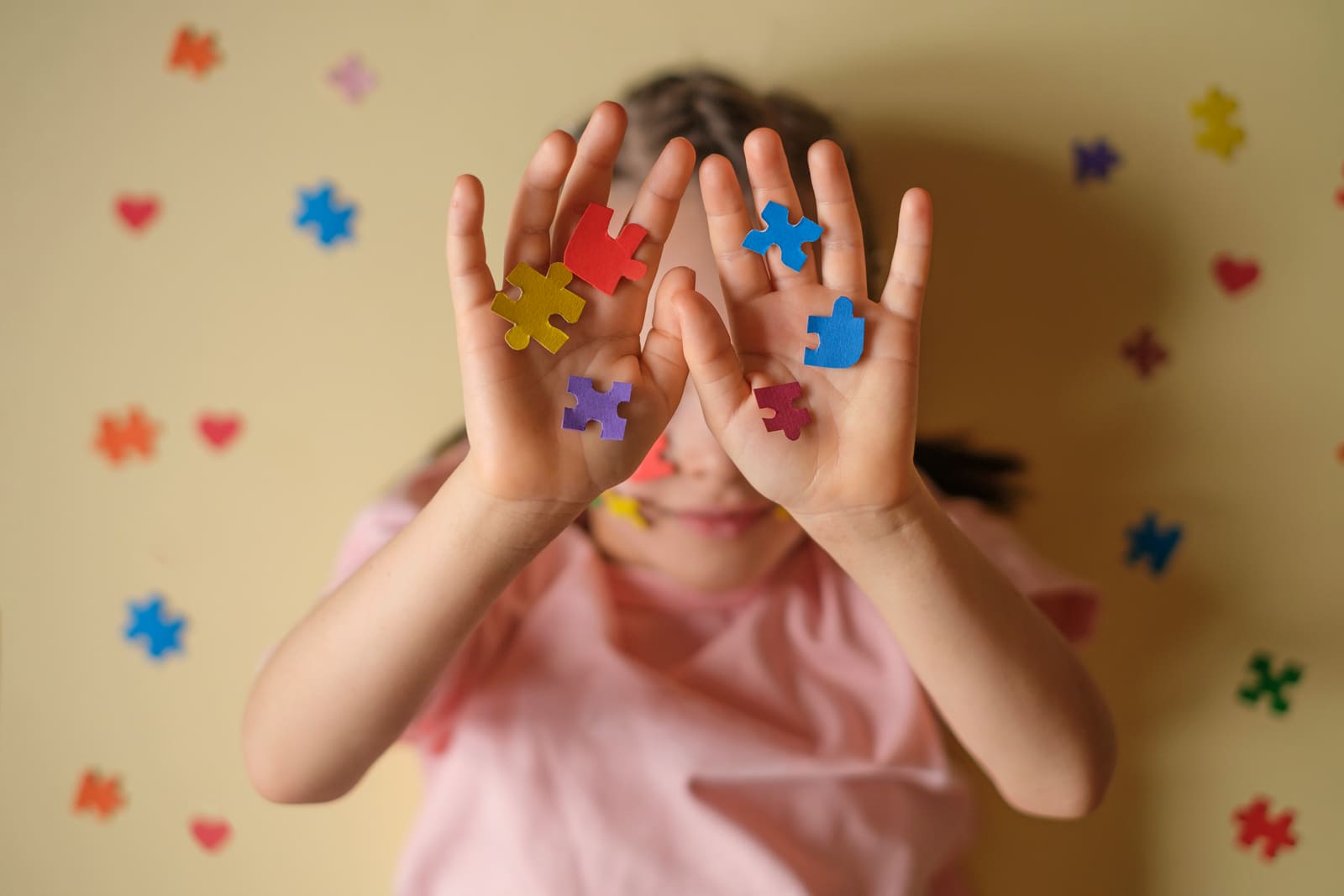
The earlier a child receives support to develop communication and social skills, the more pronounced the impact on academic progress. Early intervention programs, often provided by in home aba services, focus on building these skills in natural settings like home or school.
By introducing targeted strategies during formative years, children can develop essential skills before academic demands increase. Early development of communication skills also reduces frustration and behavioral challenges, which can otherwise interfere with classroom learning.
ABA Therapy and Its Role in Academic Progress
Applied Behavior Analysis (ABA) therapy is a widely recognized approach to improve communication and social skills in children with Autism. ABA focuses on structured teaching methods, reinforcement strategies, and individualized goals to promote meaningful skill development.
Through ABA interventions, children learn to express needs, understand social expectations, and engage positively with peers. By working with aba agencies New Jersey, families can access professional guidance and evidence-based methods that foster both social and academic growth.
Strategies to Enhance Communication Skills

Several strategies can help children strengthen their communication skills, leading to improved academic outcomes:
- Modeling Appropriate Communication: Demonstrating clear, concise language helps children learn how to express themselves effectively.
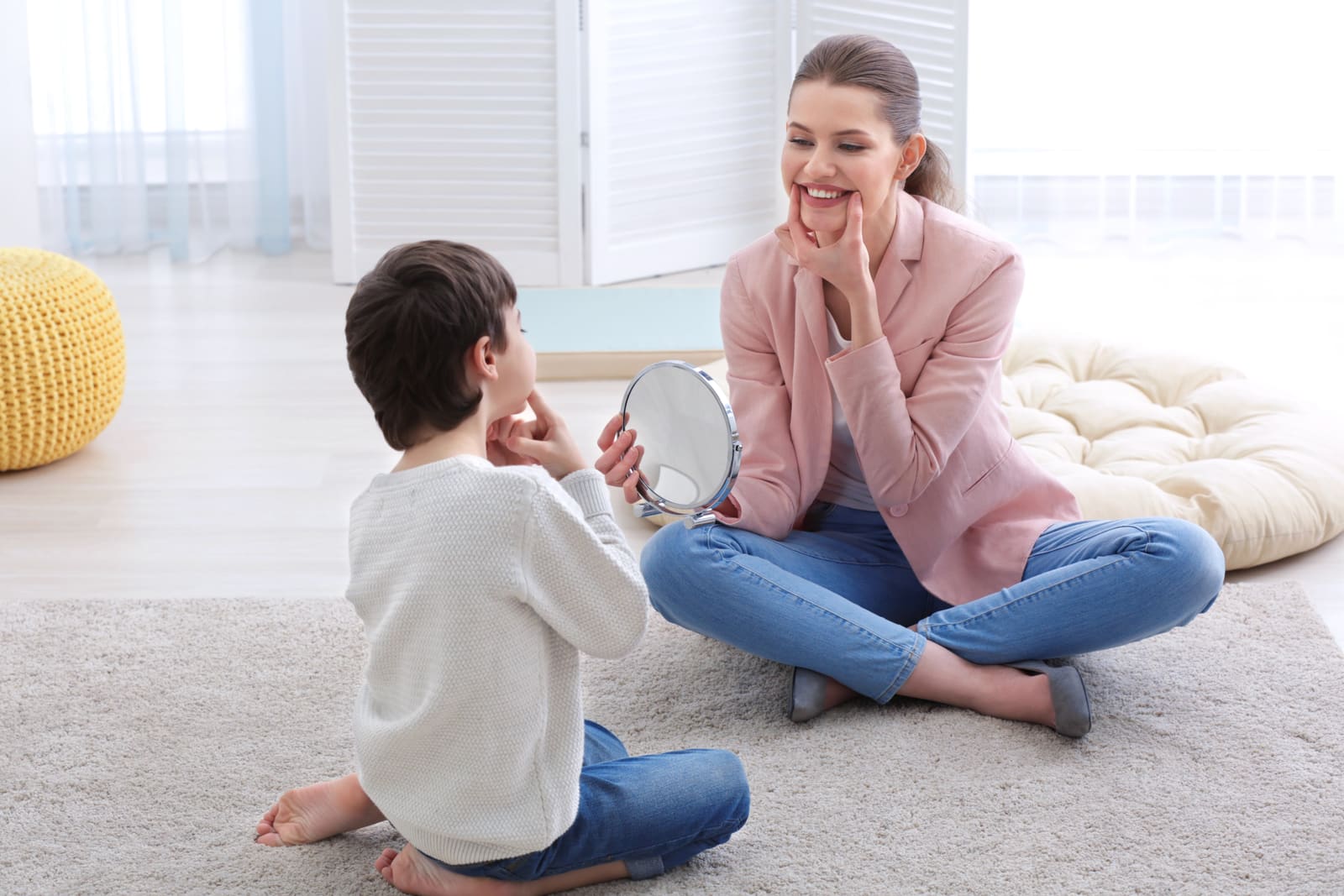
- Interactive Play and Role-Playing: Simulating classroom scenarios encourages practical use of communication in a controlled environment.
- Positive Reinforcement: Rewarding attempts at communication builds confidence and encourages continued effort.
- Structured Social Stories: Using narratives to explain social interactions supports understanding of appropriate responses and behaviors.
- Collaborative Learning Opportunities: Group activities and partner work teach children to communicate effectively in real-life academic situations.
Enhancing Social Skills in School Settings
In addition to communication, targeted support for social skills can dramatically improve classroom participation and academic achievement.
Teachers and therapists can implement structured routines that encourage:
- Turn-taking in discussions
- Cooperation in group projects
- Conflict resolution strategies
- Peer mentoring opportunities
These interventions promote positive interactions, reduce social anxiety, and foster a sense of belonging—crucial elements for academic engagement.
Academic Challenges Linked to Weak Communication and Social Skills
Children with underdeveloped communication and social skills often face specific academic challenges, including:
- Difficulty following multi-step instructions
- Limited participation in group activities
- Misinterpretation of classroom cues or expectations
- Increased frustration leading to avoidance of tasks
- Lower engagement and retention of material
Recognizing these challenges early and implementing targeted strategies is essential for supporting academic success.
Family Involvement in Skill Development
Family engagement is critical in reinforcing communication and social skills. Children learn best when interventions are consistent across environments, including home, school, and therapy sessions.
Parents and caregivers can support learning by:
- Practicing conversation and turn-taking at home
- Encouraging peer interactions in natural settings
- Collaborating with ABA therapists to maintain consistency
- Celebrating small successes to motivate continued effort
Active family involvement strengthens skill acquisition and enhances confidence in academic settings.
Technology and Tools to Support Learning
Educational technology and assistive tools can complement ABA programs and classroom learning. Tools such as communication apps, visual schedules, and interactive learning games provide children with structured opportunities to practice communication and social skills.
When integrated thoughtfully, these tools help children develop independence, engage with curriculum materials, and interact effectively with peers, thereby boosting overall academic progress.
Monitoring Progress and Adjusting Strategies
Regular assessment of communication and social skills is essential to track academic progress. Therapists, teachers, and parents should collaborate to monitor improvements and identify areas requiring additional support.
Adjustments might include:
- Modifying lesson delivery to match the child's communication level
- Incorporating more peer interaction opportunities
- Providing additional reinforcement for social engagement
- Tailoring ABA interventions to address emerging academic challenges
Continuous monitoring ensures that interventions remain effective and aligned with the child's evolving needs.
Success Stories: Academic Gains Through Communication and Social Skills
Numerous children have demonstrated remarkable academic improvements once communication and social skills were targeted through structured interventions.
For example, children receiving support from aba agencies New Jersey have shown increased classroom participation, improved peer relationships, and better performance in subjects requiring collaboration and discussion. These success stories highlight the transformative power of focused skill development in enhancing learning outcomes.
Conclusion
Communication and social skills are essential drivers of academic progress for children with Autism. By developing the ability to express themselves, interact with peers, and engage meaningfully in classroom activities, children are better equipped to navigate the challenges of academic learning. Early intervention, family involvement, and professional support from aba in home and center-based aba programs help create the foundation for lifelong learning and success.
At Improve ABA we provide high-quality, individualized ABA therapy to children with Autism in the state of New Jersey. Our mission is to support real life learning by working alongside families in environments that reflect their values, routines, and goals. We meet families where they are, building true partnerships that empower lasting change.
FAQs
Why are social skills important for academic success in children with Autism?
Social skills help children interact with peers, participate in group activities, and follow classroom routines. Developing these skills supports learning, collaboration, and overall engagement in school.
How can communication skills impact learning outcomes?
Effective communication allows children to ask questions, express understanding, and seek help when needed. Children with strong communication skills are better able to grasp instructions, participate in lessons, and retain information.
What role do ABA agencies in New Jersey play in improving social and communication skills?
ABA agencies in New Jersey provide structured therapy programs designed to enhance communication, cooperation, and interaction skills. These programs are personalized to each child, supporting both academic and social growth.
Can in-home ABA services help children improve academic performance?
Yes, in home aba programs offer individualized support in familiar environments, making it easier for children to practice communication and social skills consistently, which positively affects academic progress.
How can parents support their child's social skills development at home?
Parents can encourage conversations, practice turn-taking, create opportunities for peer interaction, and collaborate with therapists to maintain consistency. Celebrating small achievements also boosts confidence and motivation.
At what age should children start developing communication and social skills?
Early intervention is key. Skills should begin developing during preschool or early school years, as early support can prevent learning difficulties and improve long-term academic outcomes.
Are there tools or activities that can help children practice social skills?
Yes, tools like communication apps, visual schedules, interactive games, and role-playing exercises help children practice social interactions and improve confidence in classroom settings.
How can teachers support children struggling with social skills in the classroom?
Teachers can provide structured routines, encourage group participation, offer peer mentoring, and give positive reinforcement. Collaboration with therapists ensures that interventions are consistent and effective.
How do social and communication skills influence behavior in academic settings?
Children with stronger social and communication skills are better able to express frustration, ask for help, and follow instructions, which reduces disruptive behaviors and supports a positive learning environment.
Can improvements in social skills lead to better long-term academic outcomes?
Yes, as children develop social skills, they gain confidence, participate more actively, and build relationships with peers and teachers. These skills lay the foundation for continued academic success and lifelong learning.