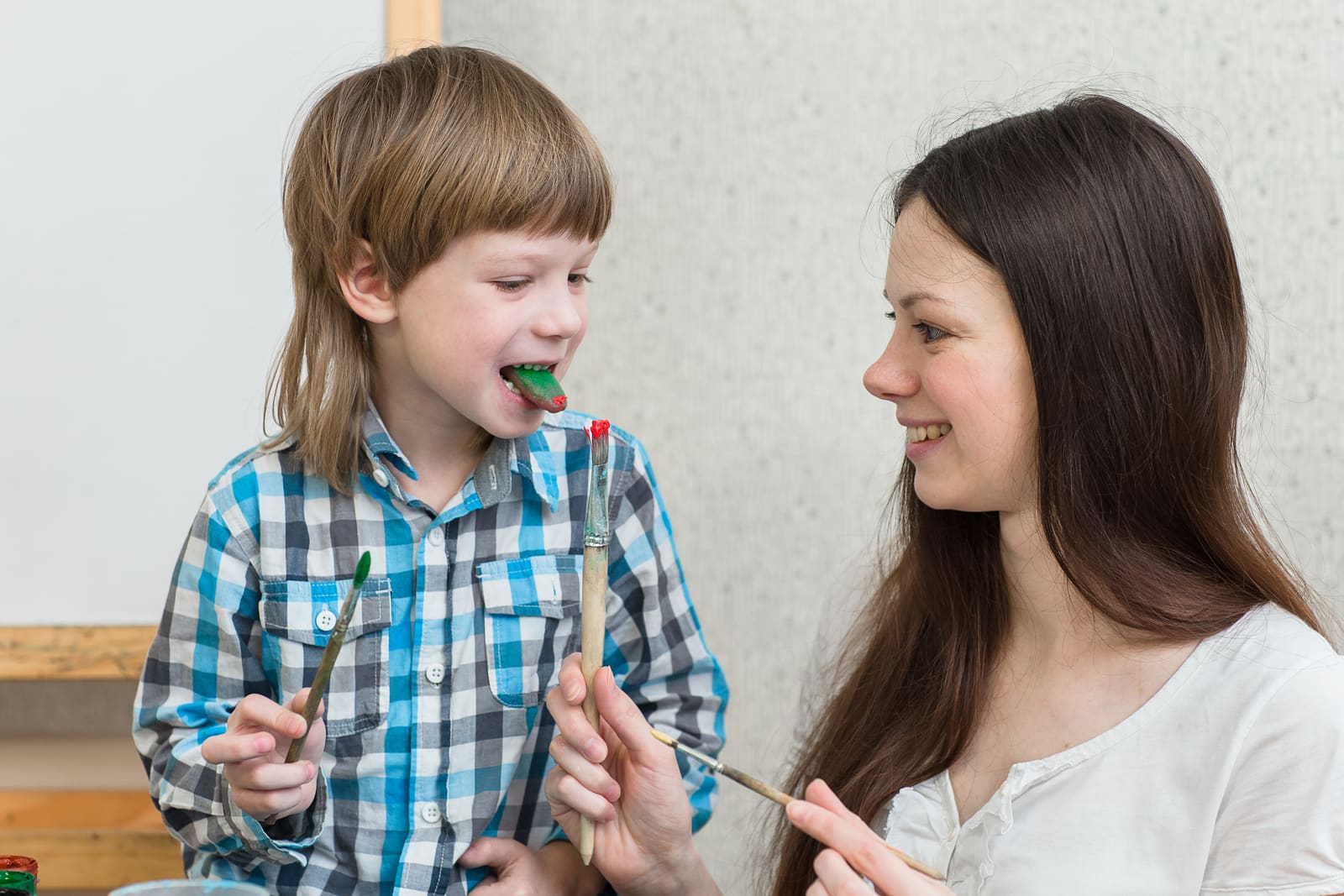
ABA therapy can be a transformative approach for children, helping them develop essential skills in communication, behavior, and daily living. To maximize its effectiveness, it is crucial to make the sessions enjoyable and engaging. Families searching for in home aba therapy near me often wonder how therapy can balance structure with fun, keeping kids motivated to learn while practicing new skills.
Creating an environment that feels supportive and enjoyable encourages children to participate actively and learn at a faster pace. The following tips can help parents, caregivers, and therapists make ABA therapy sessions lively, interactive, and rewarding for children.
Incorporate Interests and Preferences
One of the most effective ways to make ABA therapy fun is to integrate a child's interests into the sessions. Whether a child enjoys drawing, building blocks, or playing with toy cars, therapists can use these activities as learning tools.
By leveraging personal interests, children are more likely to remain engaged and motivated throughout the session. For example, a session could involve counting toy cars to teach math skills or using favorite action figures to model social interactions. This approach also helps children connect learning with things they naturally enjoy, making ABA therapy fun rather than feeling like a chore.
Use Play-Based Learning

Play is a natural way for children to explore and learn. Incorporating play-based activities into ABA sessions encourages experimentation and problem-solving.
Structured games like matching cards, interactive board games, or role-playing scenarios allow children to practice skills in a dynamic and enjoyable setting. Play-based strategies also support the development of social skills, cooperation, and communication. Rotating games and activities keeps sessions fresh and prevents boredom, maintaining a positive association with therapy.
Set Clear Goals and Celebrate Achievements
Children thrive when they understand what they are working toward and receive recognition for their efforts. Setting small, achievable goals during ABA therapy sessions gives children a sense of accomplishment.
Reward systems, such as earning stickers, tokens, or praise, motivate children and reinforce positive behaviors. Celebrating milestones, no matter how small, encourages children to continue working toward more complex skills. This approach transforms learning into an enjoyable challenge and keeps children excited to participate.
Integrate Movement and Physical Activities

For many children, incorporating movement can make therapy more engaging. Activities like jumping on a mini-trampoline, tossing a ball, or completing obstacle courses can be excellent tools for practicing motor skills, coordination, and following instructions.
Physical activities break up the monotony of seated tasks and provide a fun outlet for energy. These movement-based strategies also help children stay attentive during learning sessions, making ABA therapy fun and dynamic.
Use Visual Supports and Interactive Tools
Visual aids such as charts, picture cards, or interactive apps can help children understand instructions, track progress, and stay engaged. Interactive tools, including tablets or touch-screen activities, can make learning more engaging and interactive.
Visual supports help children anticipate what comes next and provide a sense of structure while maintaining interest. Incorporating colorful, hands-on tools ensures sessions are stimulating and enjoyable, keeping children focused on learning tasks.
Introduce Social Games and Peer Interaction

Engaging children in small group activities or structured social games can enhance social skills while keeping therapy exciting. Simple turn-taking games, cooperative challenges, or role-playing exercises allow children to practice communication and collaboration in a fun way.
These social activities also build confidence and create opportunities for children to enjoy learning with peers. When ABA therapy involves enjoyable social interactions, children are more likely to participate eagerly and retain new skills.
Keep Sessions Short and Varied
Attention spans vary, and long, repetitive sessions can lead to disengagement. Structuring therapy sessions into short, varied segments ensures children remain motivated and focused.
Switching between different activities, combining academic skills with hands-on play, or alternating between physical and cognitive tasks prevents boredom. This variety maintains enthusiasm and makes ABA therapy fun, as children anticipate the next enjoyable activity during the session.
Incorporate Positive Reinforcement
Positive reinforcement is central to ABA therapy. Praising children, offering rewards, or celebrating progress helps reinforce desired behaviors and encourages participation.
Reinforcements should align with the child's interests, making the reward meaningful and motivating. When children associate learning with positive experiences, ABA therapy becomes a fun and rewarding journey rather than a routine obligation.
Personalize Sessions to the Child's Needs
Every child is unique, and therapy should reflect individual learning styles and preferences. Personalizing activities and learning targets ensures that sessions are both effective and enjoyable.
Therapists and caregivers should observe what excites the child and tailor activities accordingly. Whether it's using favorite toys, choosing specific games, or adjusting session timing, personalization ensures that ABA therapy fun is maximized while still targeting essential skills.
Encourage Family Participation
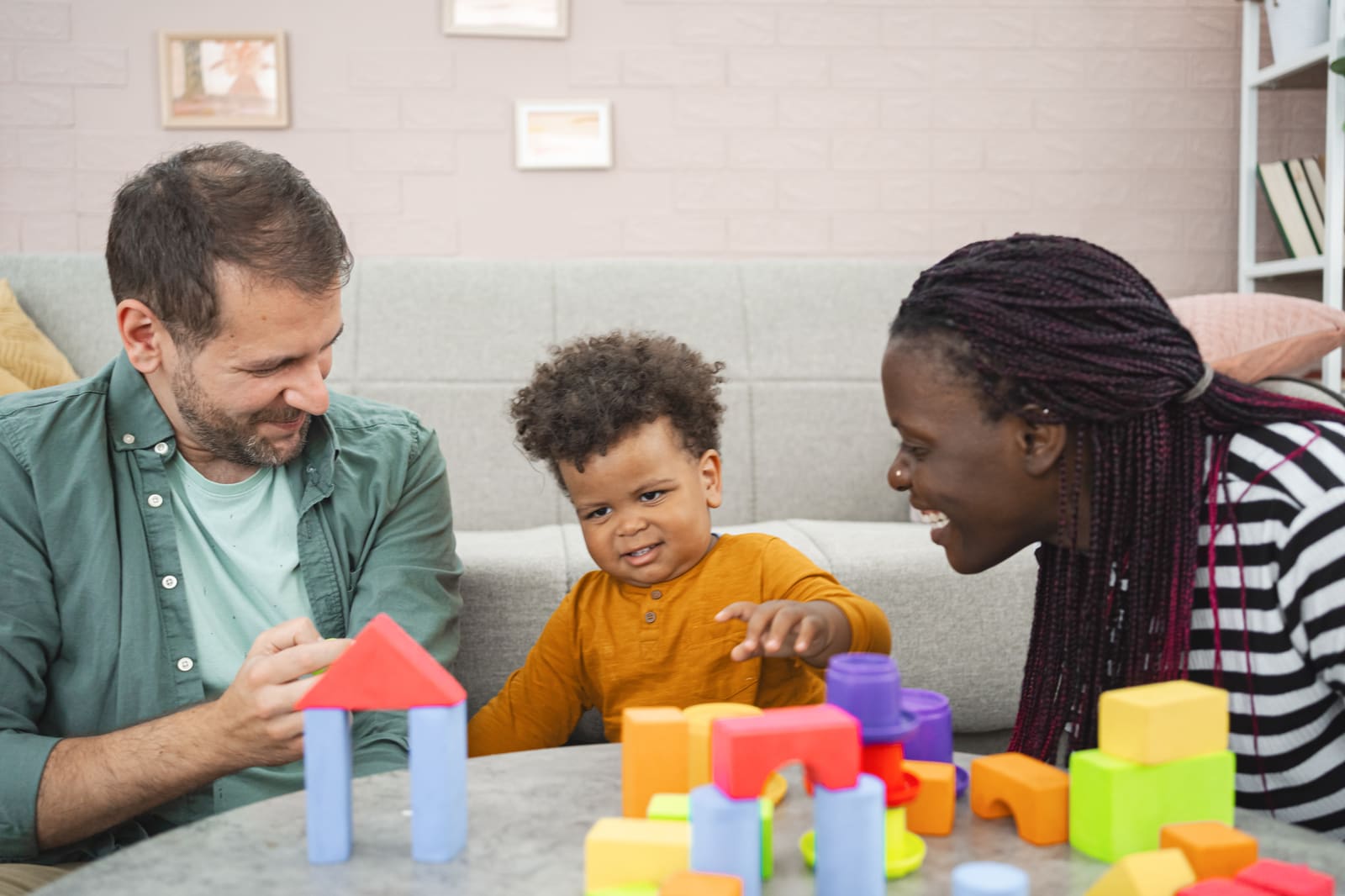
Involving family members in therapy sessions can strengthen engagement and make learning more meaningful. Parents and siblings can participate in games, role-playing, or skill practice, creating a collaborative learning environment.
Family involvement also reinforces skills outside of therapy sessions, promoting consistency and real-world application. Children often feel more motivated and confident when learning is supported by loved ones, enhancing the fun and effectiveness of ABA therapy.
Maintain a Positive and Supportive Environment
A positive atmosphere is essential for engagement. Encouragement, patience, and enthusiasm from therapists and caregivers set the tone for productive and enjoyable sessions.
Avoiding pressure, maintaining a cheerful demeanor, and providing consistent encouragement ensures children feel safe and confident to try new activities. A supportive environment helps children associate ABA therapy with fun, learning, and accomplishment.
Rotate Activities to Sustain Interest
Monotony can quickly diminish engagement. Rotating between different games, learning exercises, and hands-on activities helps maintain novelty and excitement.
Therapists can introduce weekly themes, new toys, or interactive challenges to keep children curious and motivated. Variety ensures that each session is a fresh experience, reinforcing the idea that ABA therapy fun is achievable every day.
Conclusion
Making ABA therapy engaging and enjoyable is essential to maximizing its benefits for children. By incorporating play-based learning, personal interests, social activities, movement, and positive reinforcement, therapists and caregivers can create a dynamic, motivating environment.
Children respond best to therapy that balances structure with fun, providing opportunities to learn, explore, and grow while feeling supported and encouraged. Parents searching for aba companies New Jersey or aba in home therapy near me can apply these strategies to ensure therapy remains both effective and enjoyable.
At Improve ABA we provide high-quality, individualized ABA therapy to children with Autism in the state of New Jersey. Our mission is to support real life learning by working alongside families in environments that reflect their values, routines, and goals. We meet families where they are, building true partnerships that empower lasting change.
FAQs
How can I make ABA therapy fun at home?
You can make ABA therapy fun at home by incorporating your child's favorite toys, games, and activities into learning sessions. Using play-based learning, short activity segments, and positive reinforcement keeps your child engaged and motivated while practicing essential skills.
Why is it important to make ABA therapy enjoyable for children?
When therapy is enjoyable, children are more likely to participate actively and retain new skills. Fun sessions create positive associations with learning, increase motivation, and help children develop social, communication, and daily living skills more effectively.
Can ABA therapy be personalized for each child?
Yes, ABA therapy can and should be personalized. Tailoring activities to a child's interests, learning style, and skill level ensures that sessions are engaging, relevant, and effective. Personalization helps maintain enthusiasm and supports faster progress.
What role do rewards play in making ABA therapy engaging?
Rewards and positive reinforcement motivate children to participate and encourage desired behaviors. Using meaningful incentives, like praise, stickers, or tokens, makes learning enjoyable and strengthens the connection between effort and achievement.
Are in-home ABA therapy sessions effective for keeping children engaged?
Absolutely. In-home ABA therapy allows children to learn in a familiar, comfortable environment. Therapists can incorporate everyday routines, favorite toys, and family interactions to make sessions engaging and relevant, helping children generalize skills across settings.
How can social games help during ABA therapy?
Social games encourage interaction, turn-taking, and cooperative play, which are key for developing social skills. Integrating small group activities or role-playing scenarios makes ABA therapy fun while giving children practical experience in communication and teamwork.
How long should ABA therapy sessions be to keep kids engaged?
Short, varied sessions are most effective. Children respond better to structured blocks of 15–30 minutes for focused learning, interspersed with playful or movement-based activities. This prevents boredom and ensures ABA therapy remains fun and engaging.
Can movement activities be included in ABA therapy?
Yes. Physical activities like tossing a ball, obstacle courses, or stretching breaks can help children practice motor skills, focus, and following directions. Movement adds excitement and makes sessions dynamic while reinforcing learning objectives.
How do visual supports make ABA therapy engaging?
Visual aids such as charts, picture cards, or interactive apps help children understand instructions, track progress, and stay motivated. These tools make learning interactive and enjoyable while providing structure and clarity during therapy.
How can families be involved in ABA therapy sessions?
Families can participate in games, role-playing, or skill-building exercises to reinforce learning. Their involvement creates a supportive environment, strengthens skill generalization, and ensures that ABA therapy is both meaningful and enjoyable for the child.