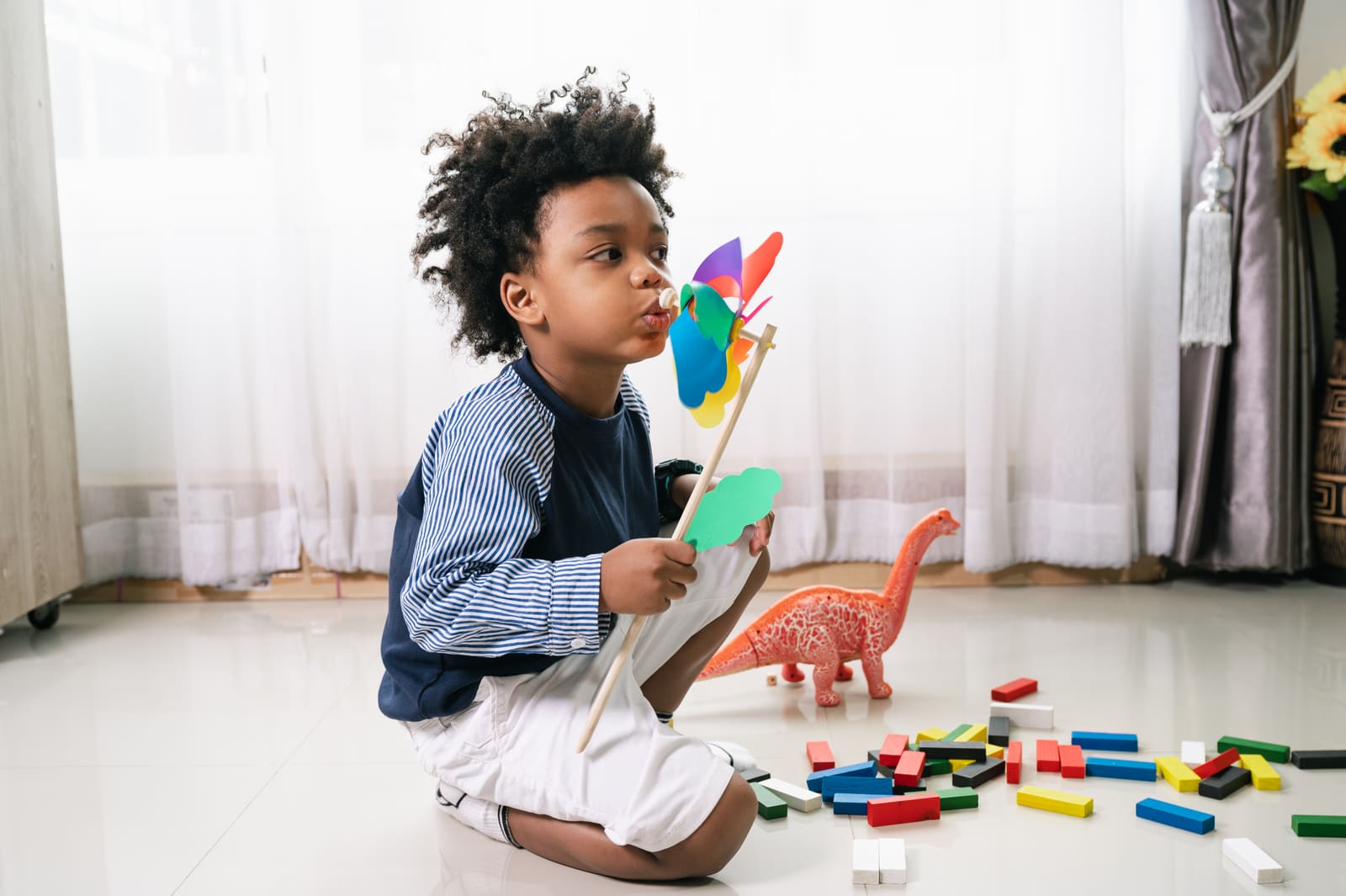
Play is an essential part of a child's development, offering more than just enjoyment. It can also be a powerful tool for teaching essential life skills. Play-Based ABA, particularly when incorporated through services like aba home therapy New Jersey, combines the principles of Applied Behavior Analysis with fun, interactive activities to help children develop independence and confidence. By creating learning experiences that feel like play, children are more likely to engage, retain skills, and transfer them to everyday situations.
The Role of Play in Learning
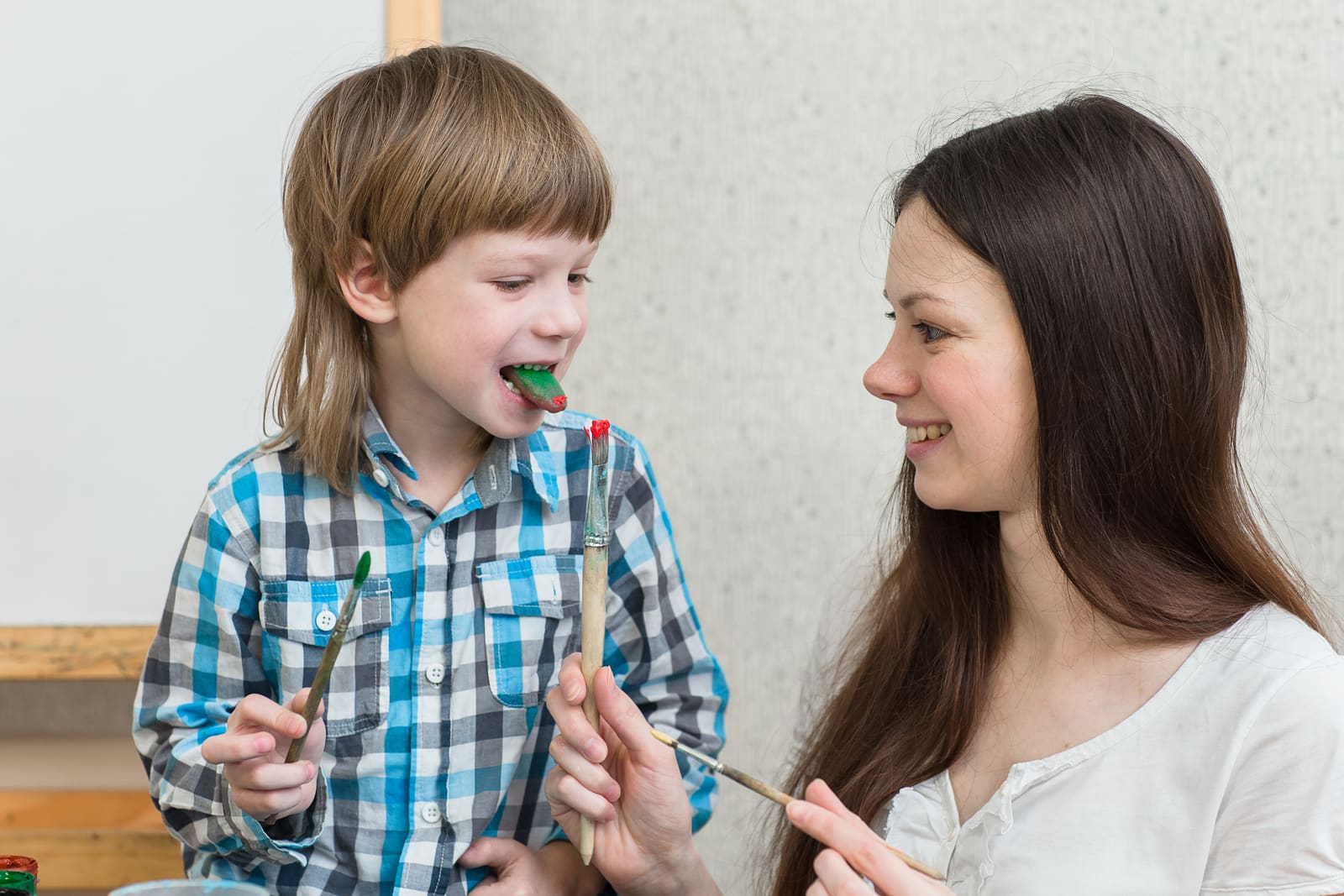
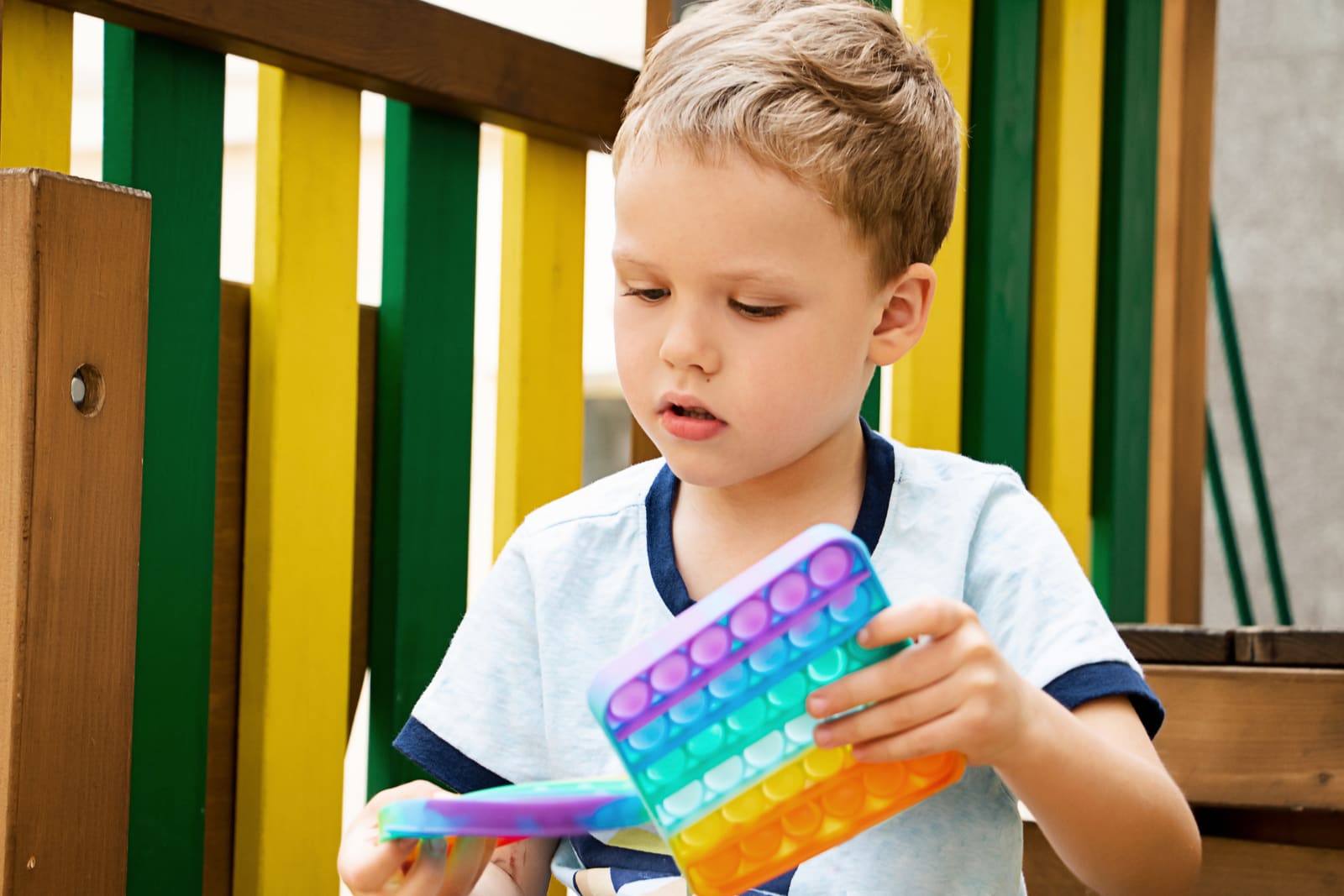
Play is a natural motivator for children. When therapy incorporates play, children are actively involved in the learning process, making it more effective. Play-Based ABA leverages this motivation to teach meaningful skills in a way that feels enjoyable rather than forced. Through structured games, role-playing, and interactive tasks, children can practice behaviors that promote independence, such as following instructions, completing tasks, and making choices.
Encouraging Independence Through Play-Based ABA

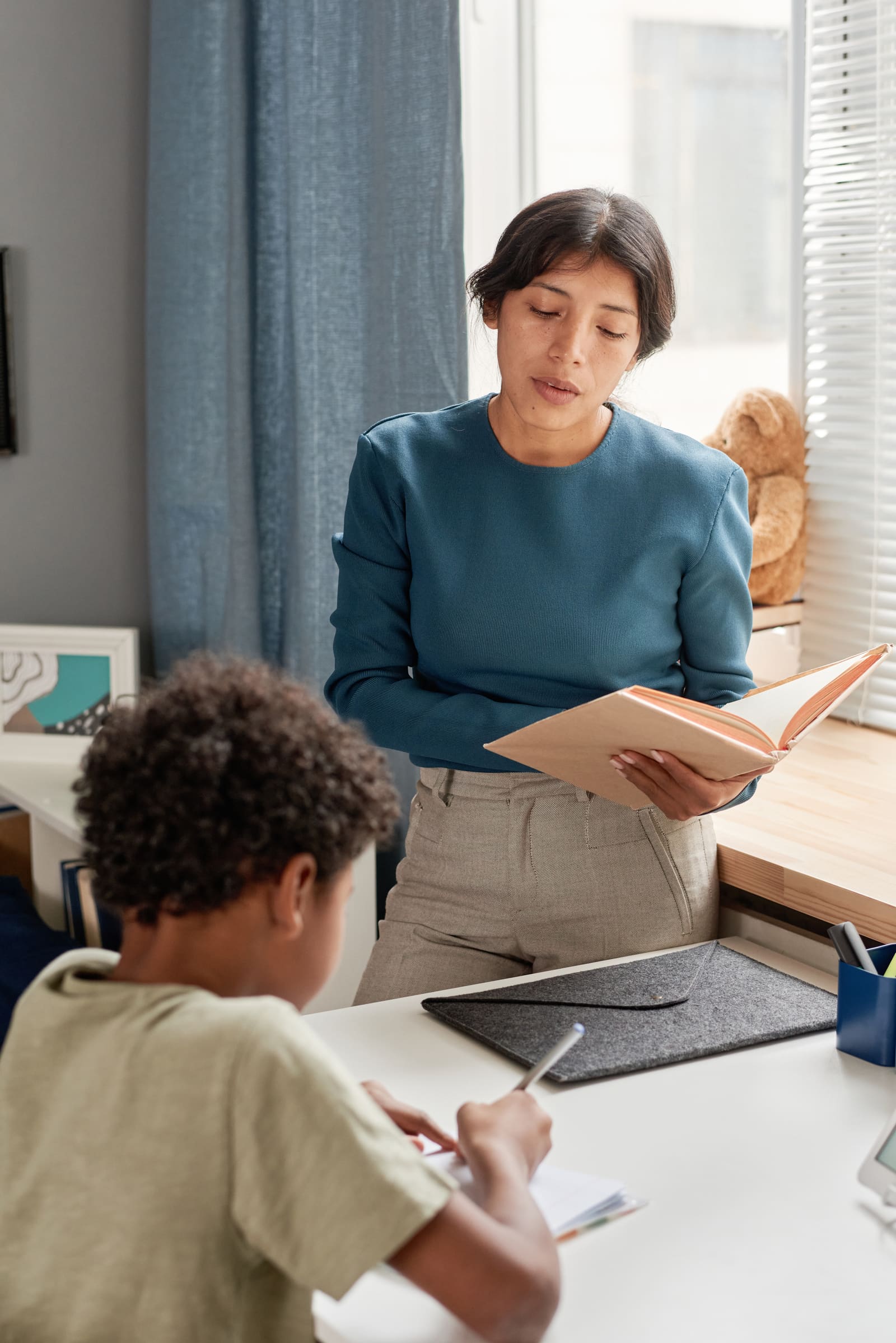
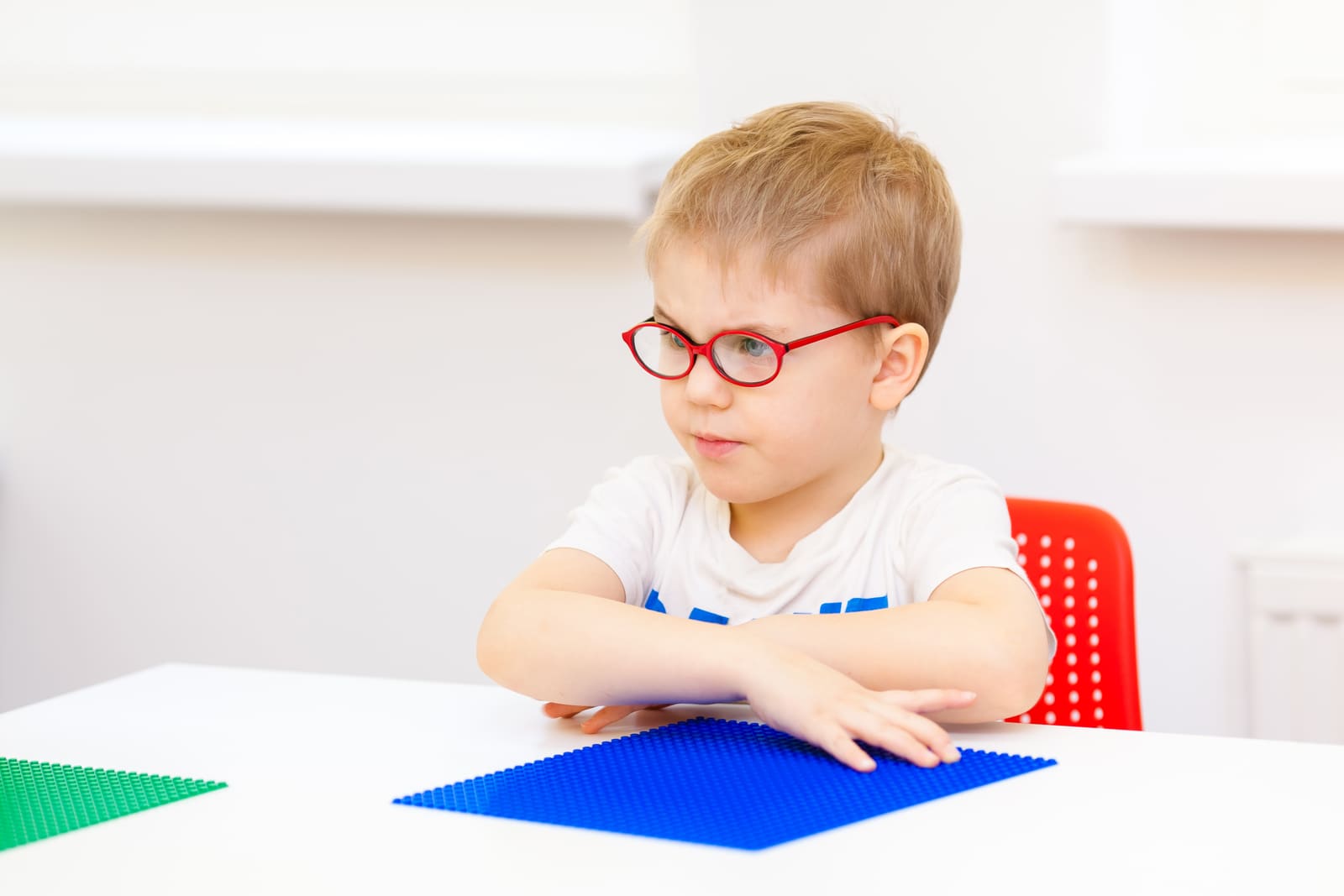
Independence is a critical skill that sets the foundation for lifelong success. Play-Based ABA promotes independence by encouraging children to engage in tasks on their own, with minimal prompts from therapists. For example, a therapist might set up a game where a child has to complete a sequence of actions, such as sorting shapes or completing a puzzle, independently. As children succeed in these tasks, their confidence grows, reinforcing their ability to take initiative in other areas of life.
ABA therapy in home settings, such as aba therapy in home near me, allows therapists to observe and support children in familiar environments. This approach makes it easier for children to practice independent skills in the spaces where they live and play, increasing the likelihood of generalization to daily routines.
Building Confidence Through Positive Reinforcement
Confidence develops when children feel successful and capable. Play-Based ABA emphasizes positive reinforcement to reward desired behaviors, turning small achievements into motivating experiences. When children complete a task or demonstrate a new skill during play, immediate feedback, praise, or rewards reinforce their efforts. Over time, these repeated successes build self-esteem, encouraging children to attempt more challenging tasks independently.
The Benefits of Structured Play in ABA
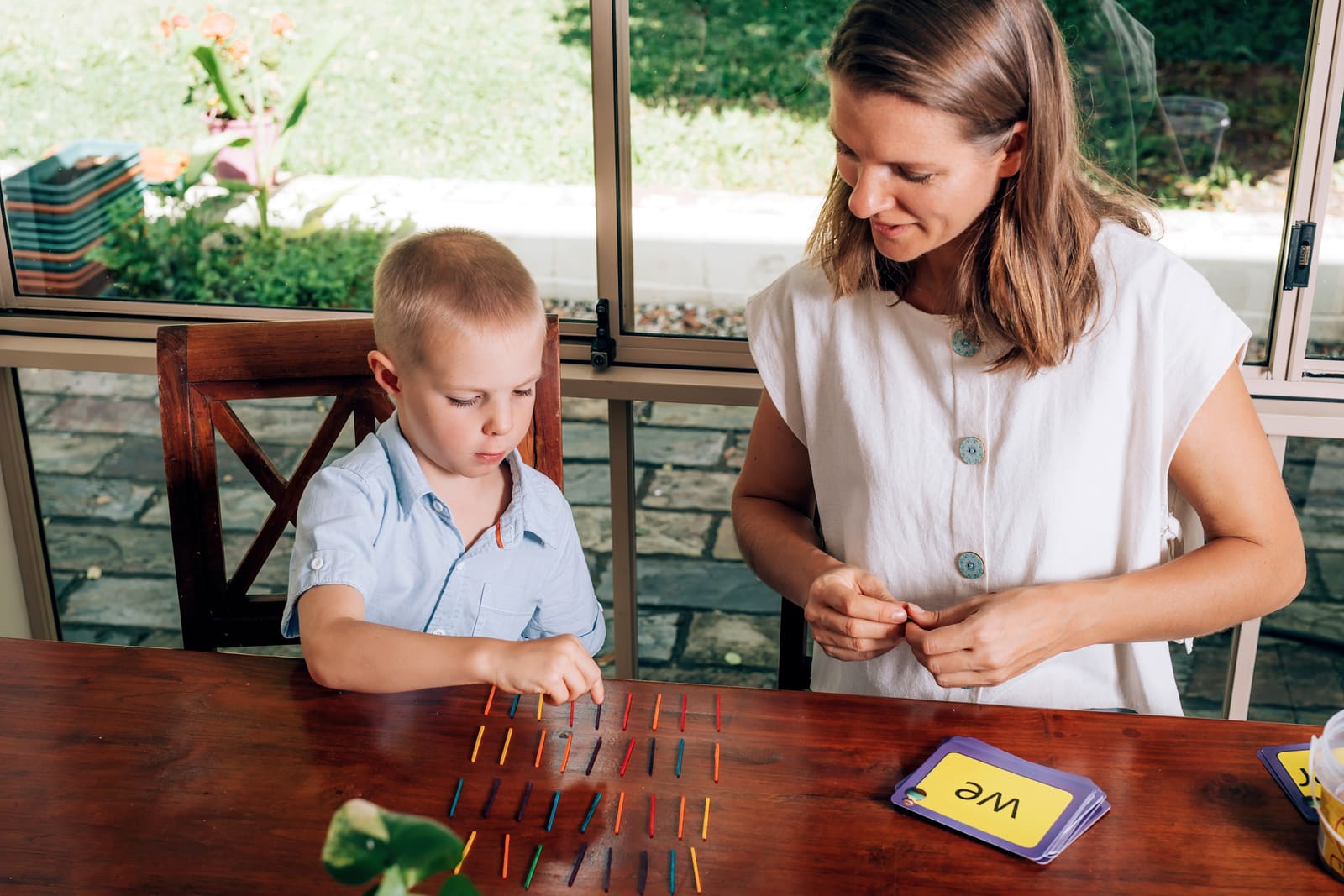
Structured play provides clear expectations and outcomes, making it easier for children to learn and succeed. Play-Based ABA sessions often involve setting up games with defined rules, sequencing steps, and clear objectives. This structured approach allows children to anticipate outcomes, practice problem-solving, and develop decision-making skills. These activities are not only engaging but also directly support the development of life skills such as planning, organization, and self-regulation.
Fostering Communication and Social Interaction
Although the focus is on independence and confidence, Play-Based ABA also enhances communication and social interaction. Interactive play encourages children to express themselves, request assistance, or engage with peers. Activities like turn-taking games or cooperative problem-solving tasks help children learn how to communicate effectively, negotiate, and collaborate. These social experiences further boost confidence, as children recognize their ability to interact successfully with others.
Tailoring Play-Based ABA to Individual Needs

Each child has unique strengths and challenges. Play-Based ABA is highly adaptable, allowing therapists to tailor activities to a child's interests and developmental level. By integrating preferred toys, games, and activities, therapists can create highly motivating experiences that encourage engagement and learning. Personalized approaches ensure that children are challenged just enough to grow without feeling overwhelmed, fostering a sense of accomplishment and self-assurance.
Encouraging Problem-Solving and Critical Thinking
Play-Based ABA often incorporates problem-solving tasks, puzzles, and challenges that encourage children to think critically. These activities teach children how to approach challenges independently, evaluate options, and make decisions. By successfully navigating these tasks, children develop confidence in their abilities and learn that they can handle new and unexpected situations, both during therapy and in real-life scenarios.
Promoting Generalization of Skills
One of the main goals of ABA therapy is to ensure that skills learned in therapy generalize to real-life settings. Play-Based ABA supports this goal by embedding learning in everyday activities and familiar routines. For instance, a game designed to teach sequencing might mirror the steps a child takes when getting dressed, brushing teeth, or preparing a snack. Practicing skills in context allows children to see the practical applications of what they learn, reinforcing independence and boosting confidence.
The Role of Caregivers in Play-Based ABA
Caregiver involvement is a crucial aspect of Play-Based ABA. Parents and family members are encouraged to participate in play activities and reinforce skills outside of therapy sessions. This collaborative approach ensures consistency and helps children feel supported as they practice new behaviors. Caregivers also gain insight into their child's progress and learn strategies to promote independence and confidence at home.
Long-Term Impact of Play-Based ABA
The effects of Play-Based ABA extend beyond immediate skill acquisition. By focusing on independence and confidence, children develop a foundation for lifelong learning and personal growth. The skills learned through playful interactions translate into everyday life, enabling children to tackle challenges, make decisions, and approach new experiences with self-assurance. Over time, these gains contribute to greater autonomy, stronger self-esteem, and enhanced quality of life.
Measuring Success in Play-Based ABA
Therapists measure success in Play-Based ABA through systematic observation and data collection. Progress is tracked across multiple areas, including task completion, social interaction, communication, and independent decision-making. By regularly assessing outcomes, therapists can adjust interventions to meet the child's evolving needs, ensuring that therapy remains effective, engaging, and aligned with the goal of fostering independence and confidence.
Integrating Technology and Tools
Modern Play-Based ABA programs sometimes incorporate technology, such as interactive apps or digital games, to enhance learning and engagement. These tools provide additional opportunities for children to practice skills, receive feedback, and experience success in a controlled environment. By blending traditional play with innovative tools, therapists can create a dynamic, motivating, and effective therapy experience.
Challenges and Solutions
While Play-Based ABA is highly effective, it may present challenges. Some children may initially resist structured play, or transitions between activities may be difficult. Therapists address these challenges by gradually introducing new games, using preferred activities to motivate participation, and providing clear guidance and support. Flexibility, patience, and creativity are key to ensuring that therapy remains enjoyable and productive.
Conclusion
Play-Based ABA is a powerful approach that encourages independence and confidence in children by combining the principles of ABA with engaging, enjoyable activities. Through structured play, positive reinforcement, and caregiver collaboration, children gain essential life skills, build self-esteem, and develop the ability to navigate challenges independently. By practicing skills in context and tailoring interventions to individual interests, Play-Based ABA creates meaningful learning experiences that have a lasting impact.
At Improve ABA we provide high-quality, individualized ABA therapy to children with Autism in the state of New Jersey. Our mission is to support real life learning by working alongside families in environments that reflect their values, routines, and goals. We meet families where they are, building true partnerships that empower lasting change.
FAQs
What is Play-Based ABA?
Play-Based ABA is a therapy approach that combines the principles of Applied Behavior Analysis (ABA) with playful, engaging activities. It focuses on teaching essential skills such as independence, confidence, communication, and problem-solving in a fun and interactive way.
How does Play-Based ABA encourage independence?
By using structured play and positive reinforcement, Play-Based ABA allows children to practice tasks on their own, make choices, and complete activities independently. Over time, these repeated successes help children gain confidence in their abilities and develop self-reliance.
Can Play-Based ABA be done at home?
Yes. Many families access Play-Based ABA through programs like aba home therapy New Jersey or aba therapy in home near me, where therapists work directly in the child's natural environment. Home-based therapy helps children practice skills in familiar settings, making learning more meaningful and practical.
What types of skills can children develop with Play-Based ABA?
Children can develop a wide range of skills, including:
- Daily living skills (dressing, feeding, personal care)
- Communication and social interaction
- Problem-solving and critical thinking
- Emotional regulation and self-confidence
- Cooperative play and teamwork
How are caregivers involved in Play-Based ABA?
Caregivers play an important role by participating in activities, reinforcing skills outside therapy sessions, and supporting consistent practice at home. Their involvement ensures that children generalize learned skills to daily routines.
Is Play-Based ABA suitable for all children?
Play-Based ABA is highly adaptable and can be customized to suit a child's developmental level, preferences, and learning style. Therapists tailor activities to ensure engagement and maximize progress for each individual.
How long does it take to see progress with Play-Based ABA?
Progress varies depending on each child's unique needs, consistency of therapy, and level of engagement. Many children begin showing small improvements within weeks, while long-term gains in independence and confidence develop over months of consistent practice.
What makes Play-Based ABA different from traditional ABA?
Traditional ABA often uses more structured, repetitive tasks, while Play-Based ABA integrates learning into playful activities. This approach increases motivation, engagement, and enjoyment, making it easier for children to practice skills and generalize them to real-life situations.
Can Play-Based ABA help with social skills?
Yes. Interactive play encourages children to communicate, share, take turns, and collaborate with peers, helping them develop social skills and confidence in their ability to interact successfully with others.
How do I find qualified Play-Based ABA therapists near me?
You can find professionals offering Play-Based ABA through services like aba home therapy New Jersey or by searching for aba therapy in home near me. It's important to choose certified and experienced therapists who can tailor programs to your child's needs.