Many parents notice unusual behaviors in their children and wonder if they indicate deeper concerns. One such behavior is when a child frequently chews on clothes. For families seeking support, aba providers Colorado and home aba therapy near me can provide guidance in understanding and addressing these behaviors. Chewing on clothing can be puzzling and concerning, but it is important to explore the potential causes before jumping to conclusions.
Common Reasons Children Chew on Clothes
Clothing chewing can stem from several factors, ranging from developmental habits to emotional responses. Identifying the cause is key to providing appropriate support.
Habit or Oral Exploration
Young children often explore the world with their mouths. This behavior can be completely normal during early development stages. Some children continue this behavior into older ages simply out of habit. The texture of fabric or the act of chewing may provide comfort or amusement, and they may not even be aware of the frequency.
Stress or Anxiety
Children may chew on their clothes as a coping mechanism during stressful situations. Anxiety triggers can vary, including transitions, changes in routine, or social pressures. This chewing may serve as a self-soothing behavior, helping the child regulate emotions in moments of discomfort.
Oral or Medical Needs
Occasionally, chewing on clothes may indicate oral discomfort. Children experiencing teething, dental issues, or oral sensitivities might find relief through biting or chewing fabrics. Pediatricians or dental professionals can provide guidance if oral health is a suspected cause.
Developmental Considerations
Some parents may wonder, "Is chewing clothes a sign of autism?" It is true that repetitive behaviors, including chewing clothing, can sometimes appear in children with developmental differences. However, this behavior alone is not sufficient for diagnosis. It is important to consider other developmental patterns and consult professionals, especially aba providers Colorado, who are trained to assess and support children's needs.
Signs to Observe
When evaluating whether your child's clothing chewing may be linked to broader developmental or behavioral patterns, consider the following signs:
- Frequency and intensity of the behavior
- Presence of other repetitive actions
- Social engagement and communication skills
- Response to changes in routine or environment
Observing these factors can help parents and professionals determine if further assessment is necessary.
How ABA Therapy Can Help
Applied Behavior Analysis (ABA) is a structured approach to understanding and supporting children's behaviors. Families searching for home aba therapy near me can access services designed to address behaviors like clothing chewing through positive and individualized strategies.
Functional Behavior Assessment
ABA professionals often begin with a functional behavior assessment (FBA) to understand the purpose behind a child's actions. The FBA identifies triggers, motivations, and consequences associated with behaviors such as clothing chewing. By pinpointing the root cause, therapists can develop a targeted intervention plan.
Teaching Alternative Behaviors
Once the cause is understood, ABA therapy focuses on teaching safer and more appropriate alternatives. For instance, if a child chews on clothes due to anxiety, therapists might introduce stress-relief techniques or objects designed for chewing that are safe and hygienic.
Reinforcement and Monitoring
ABA methods rely on reinforcement strategies to encourage positive behaviors and gradually reduce undesirable ones. Therapists track progress and adjust strategies according to the child's response, ensuring interventions remain effective and supportive.
Supporting Your Child at Home
Parents play a critical role in addressing clothing chewing. Simple strategies can be implemented at home alongside professional guidance.
Provide Safe Alternatives
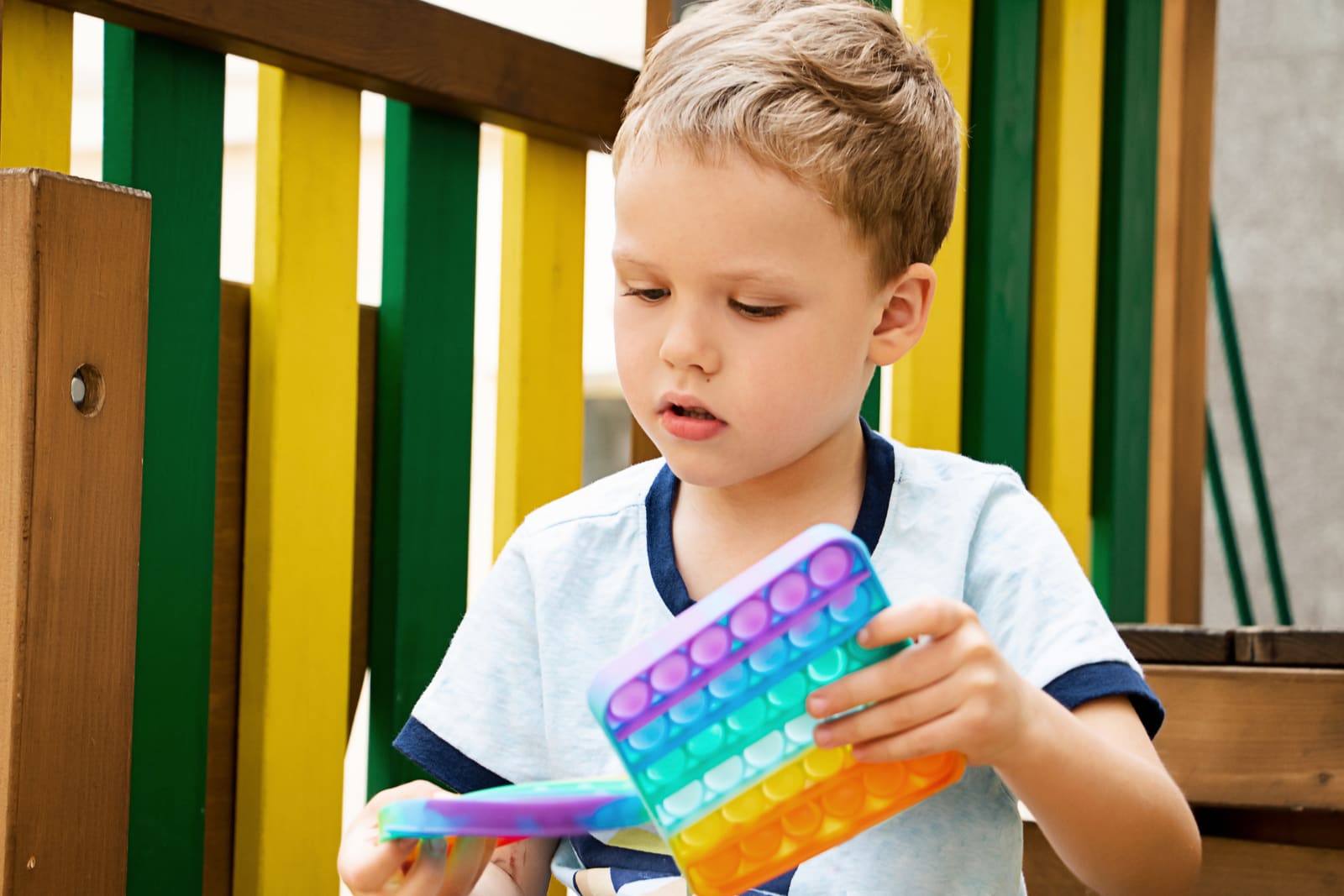
Offer your child items specifically designed for chewing. These may include soft toys or chewable tools approved by professionals. This approach allows the child to meet their oral needs without risking damage to clothing or hygiene issues.
Observe and Document Patterns
Keep a log of when and where the behavior occurs. Note specific triggers, times of day, or emotional states associated with clothing chewing. This documentation is valuable for therapists, helping them design targeted interventions.
Encourage Positive Coping Skills
Teach your child simple ways to cope with stress or anxiety, such as deep breathing, drawing, or using a calming corner. Encouraging emotional expression in healthy ways can reduce reliance on clothing chewing as a self-soothing tool.
Consistency and Routine
Maintaining a predictable daily routine can be especially helpful. Children often respond positively to structured environments, which may decrease the need for repetitive behaviors such as chewing on clothes.
When to Seek Professional Guidance
While some children outgrow clothing chewing naturally, persistent or intense behaviors warrant professional assessment. Families should seek support if:
- Chewing interferes with daily activities or social interactions
- There are additional concerns about communication or developmental milestones
- Self-harm or injury occurs from chewing on clothing
ABA professionals, available through home aba therapy near me or specialized centers, can guide families in creating effective, individualized strategies.
Collaborative Approach with ABA Providers
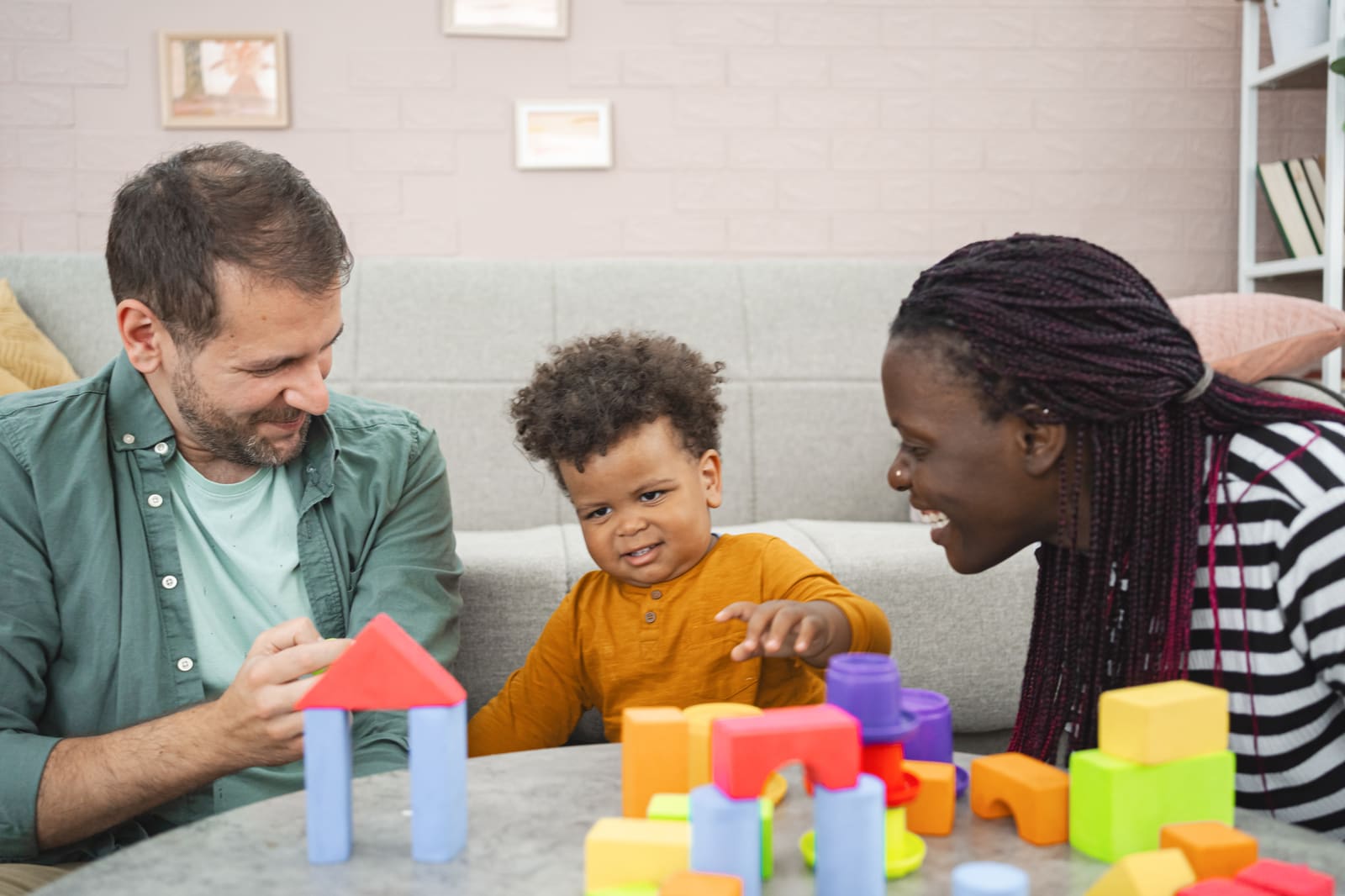
ABA providers in Colorado often collaborate closely with families to address behaviors like clothing chewing. This partnership ensures that interventions align with the child's needs and family routines, creating a supportive environment for lasting change.
- Assessment and Planning: Identify triggers and motivations
- Individualized Interventions: Tailor strategies to the child's needs
- Family Training: Equip caregivers with tools to reinforce positive behaviors
- Ongoing Monitoring: Adjust strategies as progress is made
Through consistent collaboration, children can learn safer alternatives and develop self-regulation skills that promote overall well-being.
Conclusion
Understanding why a child chews on clothes is essential in addressing the behavior effectively. While it may raise concerns about developmental conditions, it is important to consider multiple factors, including habit, stress, oral needs, and broader behavioral patterns. Families seeking support can benefit from professional guidance provided by aba providers Colorado and home aba therapy near me, ensuring interventions are safe, individualized, and supportive.
At Improve ABA we provide high-quality, individualized ABA therapy to children with Autism in the state of Colorado. Our mission is to support real life learning by working alongside families in environments that reflect their values, routines, and goals. We meet families where they are, building true partnerships that empower lasting change.
FAQs
Why does my child chew on clothes?
Children chew on clothes for various reasons, including habit, stress, oral discomfort, or as a response to emotional needs. It may also be a way to explore their environment or self-soothe during anxious moments. Observing the context and frequency of the behavior helps determine the cause.
Is chewing clothes a sign of autism?
While some children with developmental differences may exhibit repetitive behaviors such as clothing chewing, this behavior alone is not a definitive sign of autism. It is important to look at the child's overall development and consult professionals like aba providers Colorado for accurate guidance.
When should I seek professional help for clothing chewing?
Parents should consider seeking professional help if the behavior:
- Interferes with daily activities or social interactions
- Is intense or persistent
- Causes self-injury or hygiene concerns
ABA professionals and home aba therapy near me can assess your child and develop individualized strategies.
How can ABA therapy help reduce clothing chewing?
ABA therapy focuses on understanding the function behind a child's behavior. Through functional behavior assessment, therapists identify triggers and teach safe alternatives, reinforce positive behaviors, and provide guidance for parents to implement strategies consistently at home.
What can I do at home to help my child stop chewing clothes?
Parents can support their child by:
- Providing safe alternatives for chewing
- Maintaining a predictable daily routine
- Teaching coping skills to manage stress or anxiety
- Observing and documenting patterns to share with therapists
Are there safe alternatives for children who chew on clothes?
Yes, children can use approved chewable toys or soft items designed for oral stimulation. These alternatives meet the child's need to chew while preventing damage to clothing and maintaining hygiene.
How can I find ABA support near me?
Families can search for aba providers Colorado or home aba therapy near me to access professional services. ABA providers work with children and families to create personalized strategies, monitor progress, and support positive behavioral changes in real-life environments.
Will my child outgrow clothing chewing?
Some children naturally outgrow the behavior, especially if it stems from habit or early developmental exploration. However, if it persists or affects daily life, consulting ABA professionals can provide structured interventions to guide positive change.
Can stress or changes in routine cause my child to chew clothes?
Yes, children may chew on clothes as a way to cope with stress, anxiety, or changes in their environment. This behavior can act as a self-soothing mechanism. Observing when it happens and providing calming alternatives can help reduce the habit.
How long does it take for ABA therapy to reduce clothing chewing?
The timeline varies depending on the child's needs, triggers, and consistency of interventions. With regular sessions and parent collaboration, noticeable improvements can often be seen within weeks to a few months. Continuous monitoring and reinforcement are key to long-term success.