Eye contact is a key part of human communication, helping children connect with others and understand social cues. When a child avoids eye contact, it may signal difficulty in social interactions, communication, or emotional expression. While occasional avoidance is normal, persistent lack of eye contact can raise concerns. Parents seeking guidance often search for "aba companies near me" to access specialized support.
Understanding why a child avoids eye contact can provide clarity and help families determine appropriate interventions early on.
The Importance of Eye Contact in Early Childhood
Eye contact is one of the earliest forms of nonverbal communication. It helps children:
- Develop relationships with parents, caregivers, and peers.
- Recognize and respond to emotions.
- Learn social norms and cues.
- Build language and communication skills.
Children who frequently avoid eye contact may struggle with these developmental milestones, making early observation and support crucial.
Possible Reasons a Child Avoids Eye Contact
Avoiding eye contact does not always indicate autism. There are several potential reasons for this behavior:
Shyness or Social Anxiety
Some children are naturally introverted and may avoid looking directly at others. This behavior can be more noticeable in unfamiliar settings or with new people.
Developmental Delays
Certain developmental conditions can affect social and communication skills, leading to reduced eye contact. Early assessment is important to identify the right support.
Medical or Neurological Factors
Visual impairments, hearing difficulties, or other neurological conditions may make maintaining eye contact uncomfortable or challenging.
Autism Spectrum Disorder (ASD)
While not all children who avoid eye contact have autism, it is a recognized early sign of ASD. Children on the spectrum may find direct eye contact overwhelming or distracting, which can impact social engagement and learning.
Early Signs of Social Challenges
Parents and caregivers can look for additional indicators that often accompany avoidance of eye contact:
- Limited response to name being called
- Difficulty understanding emotions or facial expressions
- Challenges in forming peer relationships
- Repetitive behaviors or strict routines
- Delayed speech or communication skills
Observing multiple signs together may indicate the need for a professional evaluation.
How ABA Therapy Can Support Children
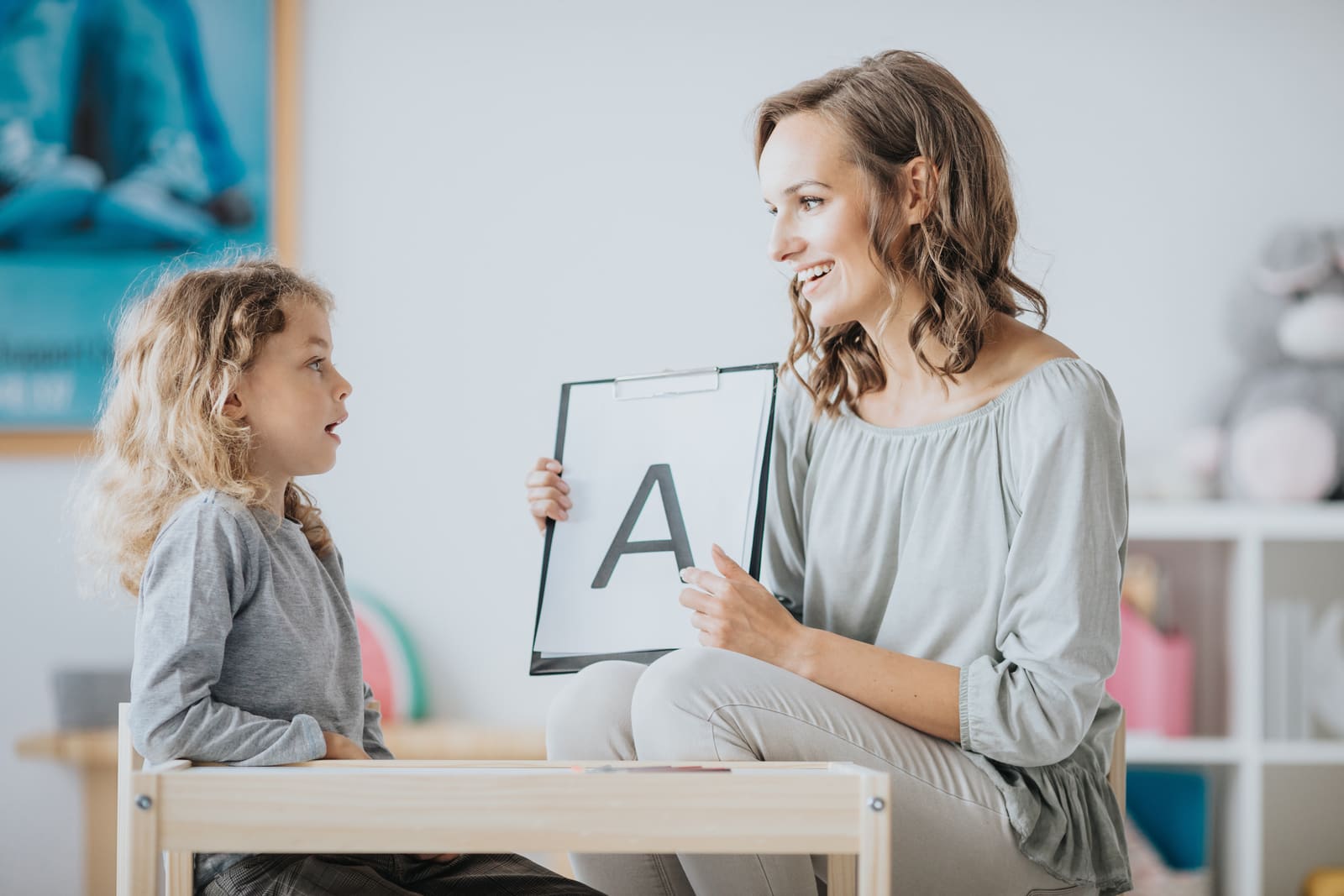
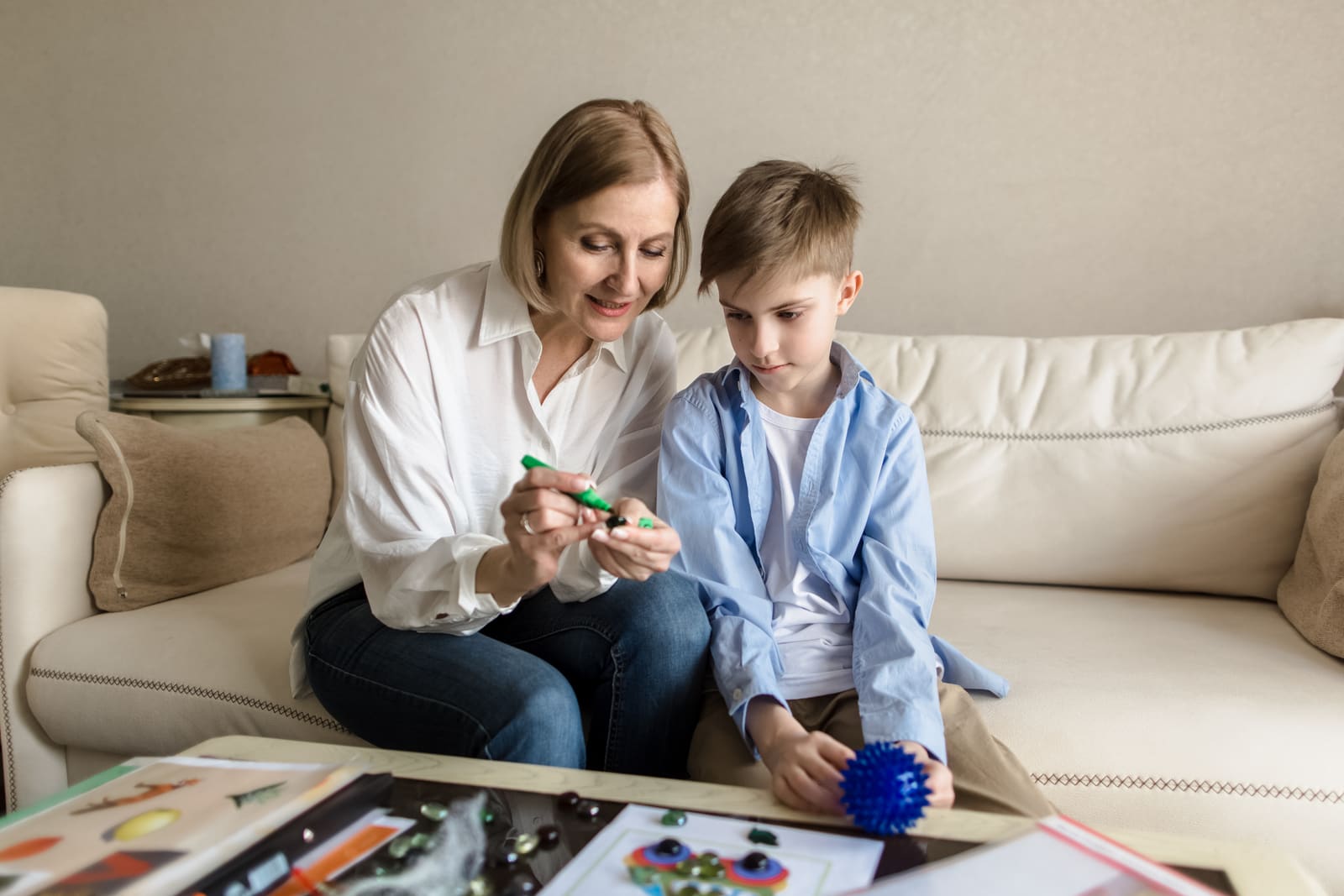
Applied Behavior Analysis (ABA) therapy is a research-based approach used to improve social, communication, and behavioral skills in children. For families in Colorado, aba therapy in home Colorado provides convenient, individualized support tailored to a child's needs.
ABA therapy strategies for children who avoid eye contact may include:
- Positive Reinforcement: Encouraging eye contact through rewards and praise for small, achievable steps.
- Modeling: Demonstrating eye contact and social interactions to teach appropriate behavior.
- Gradual Exposure: Helping children become comfortable with eye contact in a controlled, supportive environment.
- Social Skills Training: Engaging in structured exercises to improve overall communication and relationship-building skills.
ABA therapy is most effective when delivered consistently and integrated into a child's daily routines, allowing them to practice skills in real-life situations.
Home-Based ABA Therapy: Benefits for Families
Opting for home-based ABA therapy offers several advantages:
- Comfortable Environment: Children may respond better in familiar surroundings, making it easier to practice eye contact and social skills.
- Customized Learning: Therapists can adapt sessions to match a child's pace and preferences.
- Family Involvement: Parents learn strategies to reinforce skills outside therapy sessions, enhancing progress.
- Convenience: Families save time and avoid travel stress while receiving high-quality services.
Finding local providers through searches like "aba companies near me" ensures families have access to licensed professionals experienced in addressing eye contact challenges.
Encouraging Eye Contact at Home

Parents and caregivers can take practical steps to support their child's development of eye contact:
- Engage in Play: Interactive games like peek-a-boo or turn-taking activities naturally encourage eye contact.
- Praise Efforts: Acknowledge and celebrate attempts at eye contact, even if brief.
- Model Behavior: Maintain gentle eye contact when speaking to the child without forcing it.
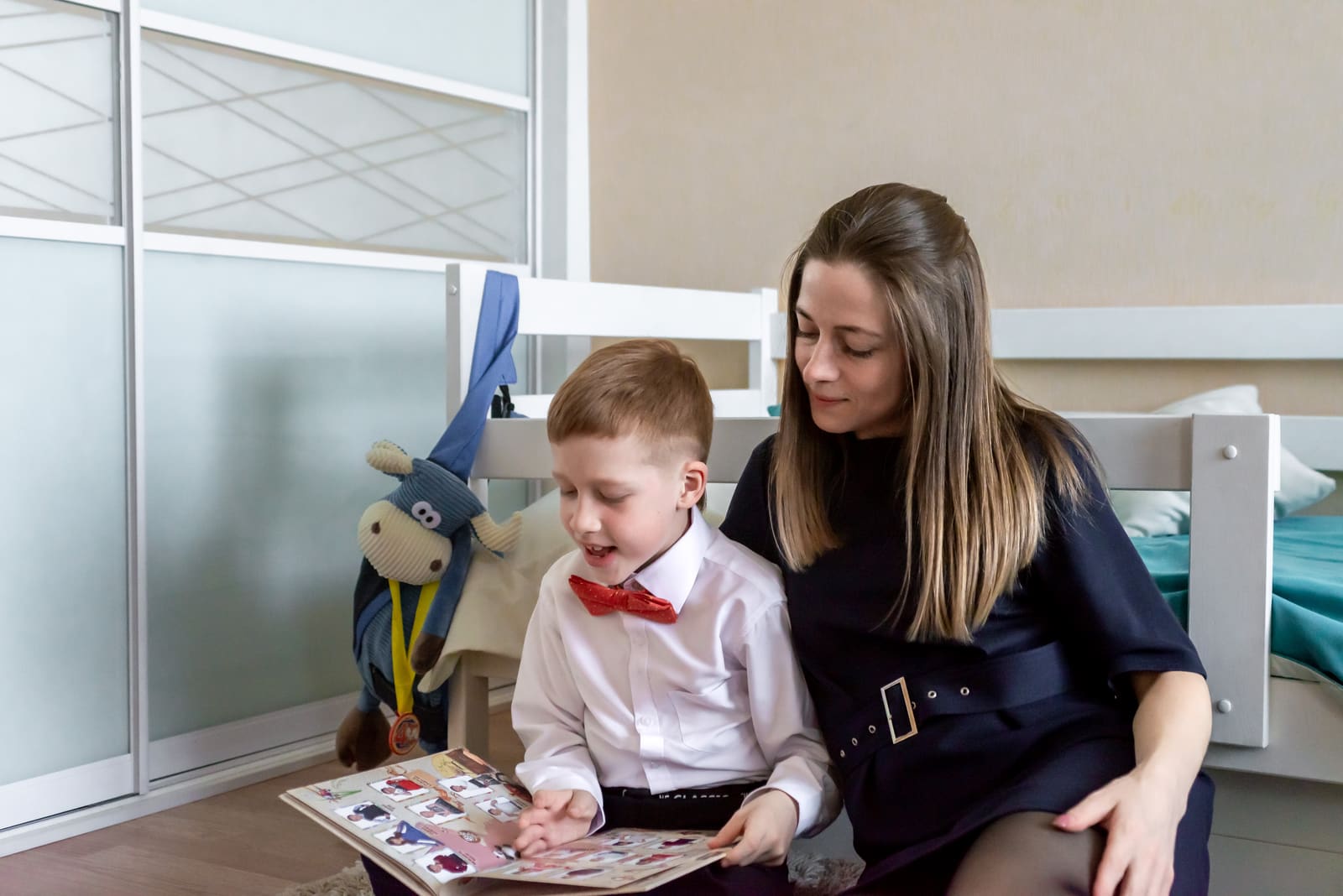
- Read Together: Books with expressive characters can help children focus on facial expressions.
- Use Visual Cues: Incorporate gestures and visual prompts to guide social engagement.
Consistency and patience are key. For children with more pronounced challenges, professional ABA support can complement home strategies.
Understanding the Role of Early Intervention
Early identification and intervention are critical for children who avoid eye contact. Prompt support can:
- Improve communication and social skills
- Reduce frustration and behavioral challenges
- Build confidence and independence
- Provide parents with tools to support long-term development
Collaborating with qualified ABA providers ensures children receive structured guidance tailored to their individual needs.
When to Seek Professional Help
Parents should consider seeking evaluation if their child consistently avoids eye contact alongside other developmental concerns. Signs that warrant professional attention include:
- Minimal response to social interactions
- Delayed language or communication milestones
- Difficulty in daily routines or learning new skills
- Intense distress or frustration in social settings
A licensed ABA therapist or developmental specialist can conduct assessments and recommend individualized strategies, ensuring early and effective support.
Conclusion
When a child avoids eye contact, it can indicate a range of underlying factors, from natural shyness to developmental conditions such as autism. Observing patterns, understanding the context, and seeking early intervention are essential steps for supporting social and communication development. Home-based ABA therapy, particularly aba therapy in home Colorado, provides personalized guidance that helps children build skills at their own pace.
At Improve ABA we provide high-quality, individualized ABA therapy to children with Autism in the state of Colorado. Our mission is to support real life learning by working alongside families in environments that reflect their values, routines, and goals. We meet families where they are, building true partnerships that empower lasting change.
FAQs
What does it mean if my child avoids eye contact?
When a child avoids eye contact, it may indicate difficulty with social interactions or communication. While some children are naturally shy or introverted, persistent avoidance can be an early sign of developmental challenges, including autism spectrum behaviors.
Is avoiding eye contact always related to autism?
Not always. Children may avoid eye contact due to shyness, anxiety, or other developmental differences. However, if avoidance is accompanied by delayed speech, limited social interaction, or repetitive behaviors, it could indicate the need for evaluation.
At what age should children typically make eye contact?
Most infants start making eye contact within the first few months of life. By 6–12 months, they usually respond to social interactions with direct eye contact. Significant delays beyond this age may warrant professional attention.
How can I encourage my child to make eye contact?
You can support your child with simple strategies:
- Play interactive games like peek-a-boo
- Praise and reinforce even brief attempts at eye contact
- Model eye contact during conversation
- Use books or visual cues to focus on facial expressions
How does ABA therapy help children who avoid eye contact?
ABA therapy is a research-based approach that helps children improve social, communication, and behavioral skills. Techniques include positive reinforcement, modeling, and gradual exposure, helping children become comfortable with eye contact and social engagement.
What is the benefit of home-based ABA therapy?
Home-based ABA therapy provides learning in a familiar environment, increasing comfort and focus. It allows parents to participate actively, reinforces skills throughout daily routines, and saves time compared to traveling to a clinic.
How do I find reliable ABA providers near me?
You can search for "aba companies near me" or "aba therapy in home Colorado" to locate licensed and experienced therapists. It's important to verify certifications and experience in addressing social and communication challenges in children.
Can improving eye contact help with overall social skills?
Yes. Eye contact is fundamental for communication and relationship-building. Children who improve eye contact often show better engagement with peers, enhanced understanding of emotions, and stronger social interactions.
How long does it take for children to improve eye contact with therapy?
The timeline varies based on the child's age, needs, and consistency of therapy. Some children show noticeable progress within a few months, while others may require longer-term support to achieve steady improvement.
When should I seek professional help for my child?
Seek professional guidance if your child consistently avoids eye contact along with other signs such as delayed speech, limited social interaction, or frustration in social situations. Early intervention provides better outcomes and helps tailor individualized support.
Can parents practice ABA strategies at home?
Absolutely. Parents can reinforce skills taught in therapy by integrating practice into daily routines, modeling appropriate eye contact, and providing positive reinforcement. Collaboration with therapists ensures consistency and effectiveness.
Is avoiding eye contact the only sign of social challenges?
No. Avoiding eye contact is one potential indicator. Other signs include limited response to social cues, difficulty forming friendships, delayed communication skills, and repetitive behaviors. Observing multiple signs together helps identify the need for evaluation.
Can avoiding eye contact affect a child's learning in school?
Yes. Eye contact plays an important role in attention, communication, and social engagement. Children who consistently avoid eye contact may have difficulty following instructions, participating in group activities, or connecting with teachers and peers. Early support through ABA therapy can help improve these skills.
Are there any tools or resources to help children practice eye contact?
Yes. Tools like interactive games, social skills apps, visual cues, and structured activities provided by ABA therapists can help children gradually build comfort with eye contact. Home practice, combined with professional guidance, ensures consistent progress in social and communication skills.